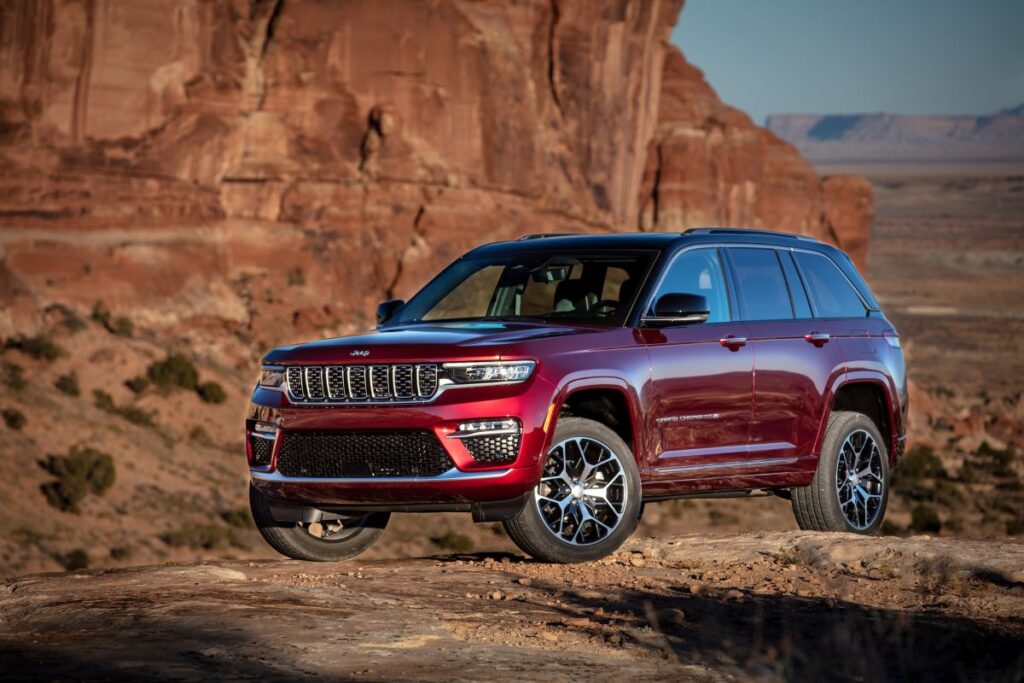
As automotive enthusiasts eagerly anticipate the latest models each year, some vehicles fail to live up to their promises. The Jeep Grand Cherokee L, Chevrolet Blazer EV, Nissan Frontier, and Ford Escape Hybrid are among those that have disappointed drivers with subpar performance in real-world conditions.
Key Takeaways
- The 2025 Jeep Grand Cherokee L struggles with structural issues like excessive vibration and high fuel consumption.
- The Chevrolet Blazer EV faces criticism for its poor battery management system, leading to reduced range in hot climates.
- The Nissan Frontier suffers from abrupt gear shifts and uncomfortable ride quality on highways due to its rugged design.
Starting with the 2025 Jeep Grand Cherokee L, this SUV was marketed as a comfortable and spacious vehicle ideal for long journeys. However, drivers have reported significant structural problems such as noticeable vibrations at high speeds and premature wear in the suspension system. Additionally, fuel consumption is higher than expected even under favorable conditions.
The Chevrolet Blazer EV aimed to be one of the most balanced electric vehicles of 2025 but has fallen short due to its poor real-world range performance. In particular, battery drain occurs rapidly on highways at constant speeds, reducing the promised range significantly. Furthermore, some users have noted that the thermal management system fails to maintain optimal temperatures in hot climates.
The Nissan Frontier, despite its rugged appearance, falls short of expectations when it comes to highway driving comfort. The transmission exhibits abrupt shifts during acceleration, leading to an unsmooth ride experience. Additionally, the suspension, designed more for rough terrain than highways, produces uncomfortable movements over long distances. This results in high fuel consumption, making it a less efficient choice for drivers covering extensive routes.
The Ford Escape Hybrid seemed like an ideal option for those seeking efficiency but has underperformed with issues during transitions between electric and gasoline modes. At higher speeds, the hybrid system contributes minimally to fuel economy, leading to increased fuel costs.
Frequently Asked Questions
Why does the 2025 Jeep Grand Cherokee L have excessive vibration?
The 2025 model suffers from structural issues that cause noticeable vibrations at high speeds, affecting driver comfort and fuel efficiency.
What is the issue with the thermal management system in the Chevrolet Blazer EV?
The battery’s temperature control fails to maintain optimal conditions in hot climates, reducing the vehicle’s range significantly during long drives.
In conclusion, while these vehicles were expected to offer a blend of comfort and efficiency for drivers on long journeys, they have fallen short due to various issues ranging from structural problems to poor thermal management. As automotive technology evolves, it is crucial for manufacturers to ensure that their products meet the expectations set by marketing campaigns.
