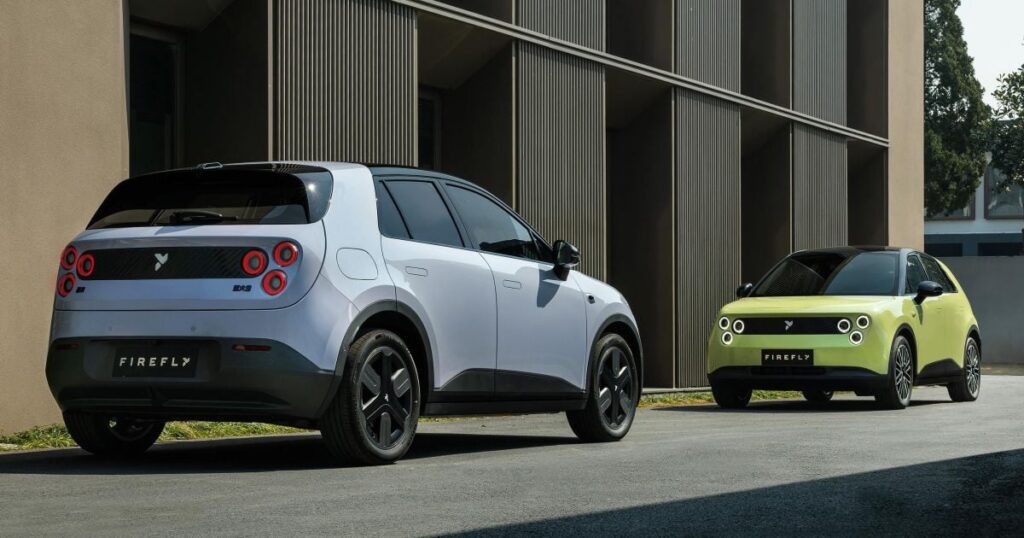
Toyota has announced the development of electric variants of its popular HiLux pickup truck in Australia. Contrary to industry trends, Toyota asserts that these models are not primarily designed to meet tightening emissions regulations but rather signal a proactive approach towards sustainable mobility solutions.
Key Takeaways
- Toyota’s electric HiLux is set for release in Australia despite existing regulatory compliance.
- The company aims for more lenient emission standards to support the launch of these models.
- Toyota’s initiative reflects a broader shift towards electrification among global automotive manufacturers.
While many automakers introduce electric vehicles (EVs) primarily in response to stringent emissions regulations, Toyota’s decision to develop an EV and fuel cell electric vehicle (FCEV) version of the HiLux underscores its commitment to sustainability beyond regulatory compliance. This move positions Toyota as a leader in proactive environmental strategy.
Toyota’s upcoming HiLux models are expected to compete directly with established EV pickup trucks such as Ford’s F-150 Lightning and Chevrolet’s Silverado EV, both of which have already entered the market. The company aims to differentiate its offerings through advanced technology and potentially lower operating costs over their lifetimes.
The Australian automotive market is witnessing an influx of new entrants and innovative models, with Toyota’s HiLux electric variants set to challenge existing players like Ford and Chevrolet. This development highlights a growing trend in the industry towards electrification across various vehicle segments.
Toyota’s initiative also reflects broader global trends where manufacturers are increasingly focusing on sustainable technologies. However, the company’s approach is unique as it seeks regulatory changes rather than merely adhering to current standards, indicating its long-term vision for electric mobility solutions.
Frequently Asked Questions
Why isn’t Toyota developing these models just to meet emissions regulations?
Toyota has stated that while regulatory compliance is a factor, the primary motivation behind the HiLux EV and FCEV development is to promote sustainable mobility solutions proactively.
How does Toyota’s approach differ from other automakers’ strategies regarding electric vehicles?
Different from many competitors who respond primarily to regulatory pressures, Toyota aims for more lenient emission standards to facilitate the launch of its EV and FCEV models, demonstrating a forward-thinking stance on sustainability.
In summary, Toyota’s introduction of electric HiLux variants in Australia represents a significant step towards sustainable mobility. This move not only challenges existing market dynamics but also sets new benchmarks for proactive environmental responsibility within the automotive industry.
