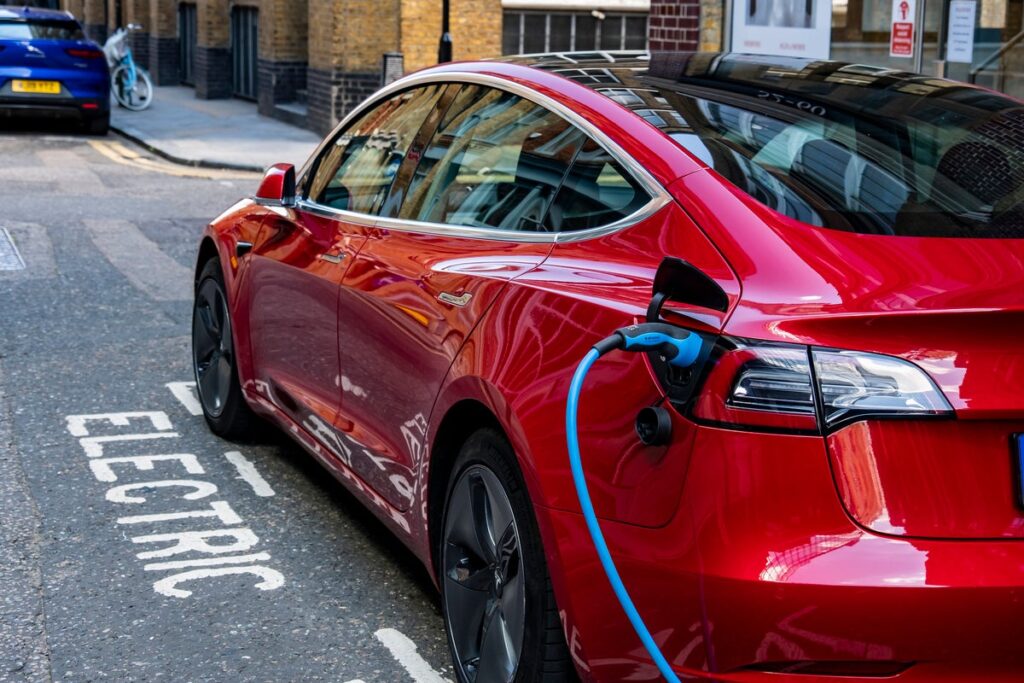
Are you still excited about the idea of driving an electric vehicle (EV) after Chancellor Rachel Reeves announced a new tax in her Budget? The upcoming pay-per-mile charge for EVs might seem like a dampener, but let’s dive into whether it’s worth sticking with your plans to go green. With the introduction of 3p per mile starting April 2028, will this affect your decision?
Key Takeaways
- The new tax adds 3p per mile for EV drivers from April 2028.
- An average driver covering 8,000 miles a year will pay around £240 annually due to the charge.
- Despite this change, EVs are still expected to be cheaper than petrol cars when charged at home.
So, what’s the big deal about this new tax? Well, it’s designed to close the gap between electric and conventional fuel costs. But is that enough to make you reconsider your green choice? Let’s break down the numbers and see if EVs are still worth the investment.
The upfront cost of an EV can be higher than a petrol car, but electricity is cheaper than petrol. For instance, charging at home can save you money compared to filling up at a gas station. With today’s average UK domestic electricity rate at 26p per kWh and petrol prices around £1.37 per litre, driving an electric vehicle costs significantly less.
Even with the new tax, EVs still offer better value for money if you charge them at home. The pay-per-mile charge will add about 3p to your cost, but this is still cheaper than running a petrol car. Auto Express’s analysis shows that a petrol car returning 40 miles per gallon costs around 15.5p per mile, while an EV charged domestically would be around 9.5p per mile.
Moreover, the government plans to abolish the 5p fuel duty cut in 2026, allowing fuel prices to rise with inflation. This means that petrol and diesel cars will become even more expensive over time. So while the new EV tax might seem daunting at first glance, it doesn’t completely negate the benefits of owning an electric vehicle.
Frequently Asked Questions
Will I be charged for driving my EV before April 2028?
No, the new tax will only apply from April 2028 onwards. Until then, there are no changes to how you pay for using your electric vehicle.
How does this affect company car drivers?
The benefits of company car schemes for EVs remain intact. Although the new tax will apply, it doesn’t change the current tax advantages that come with driving an electric vehicle through a company scheme.
In conclusion, while the introduction of the pay-per-mile charge might seem like a setback, it’s clear that owning and running an EV still offers significant benefits over conventional cars. So, if you’re passionate about reducing your carbon footprint and saving money in the long run, going electric is probably still your best bet.
