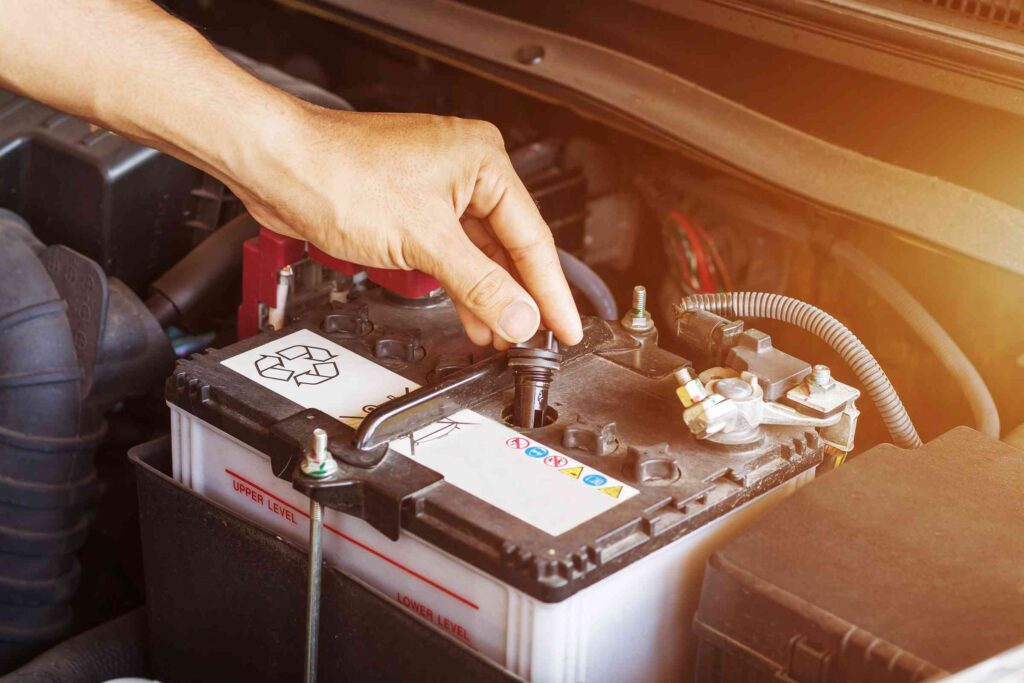
The transition to electric vehicles (EVs) promises a future free from oil changes and frequent trips to gas stations, but it also introduces new challenges. A common issue for EV owners is the hidden 12-volt auxiliary battery that powers essential components like door locks and keyless entry systems. When this small battery fails, even an EV with a fully charged main battery can become unusable.
Understanding why EVs rely on these traditional batteries is crucial. While the large high-voltage (HV) battery provides the power for driving, it disconnects from the rest of the vehicle when turned off to ensure safety. This HV battery remains dormant until the 12V system powers the contactors that connect it back into operation. If the auxiliary battery runs out of charge, these critical components won’t function, leaving the car effectively bricked.
The reasons for a dead 12V battery are varied and often related to how EVs operate differently from traditional internal combustion engines (ICE). Long-term parking without proper maintenance or frequent short trips that don’t fully recharge the 12V system can lead to issues. Additionally, advanced features like remote app connectivity or security systems contribute to what’s known as “vampire drain,” where ongoing software updates and background processes consume battery power.
Preventing such problems requires regular care for this often-overlooked part of an EV’s electrical system. A simple tool called a trickle charger can be used when the car is parked for extended periods or during frequent short trips to ensure the 12V battery stays charged and ready to start your vehicle.
In summary, while transitioning to electric vehicles offers numerous benefits such as reduced emissions and lower maintenance costs, it also demands awareness of new challenges like maintaining auxiliary batteries. By keeping an eye on this small yet critical component, EV owners can avoid unexpected inconveniences and ensure their cars remain reliable and functional.
