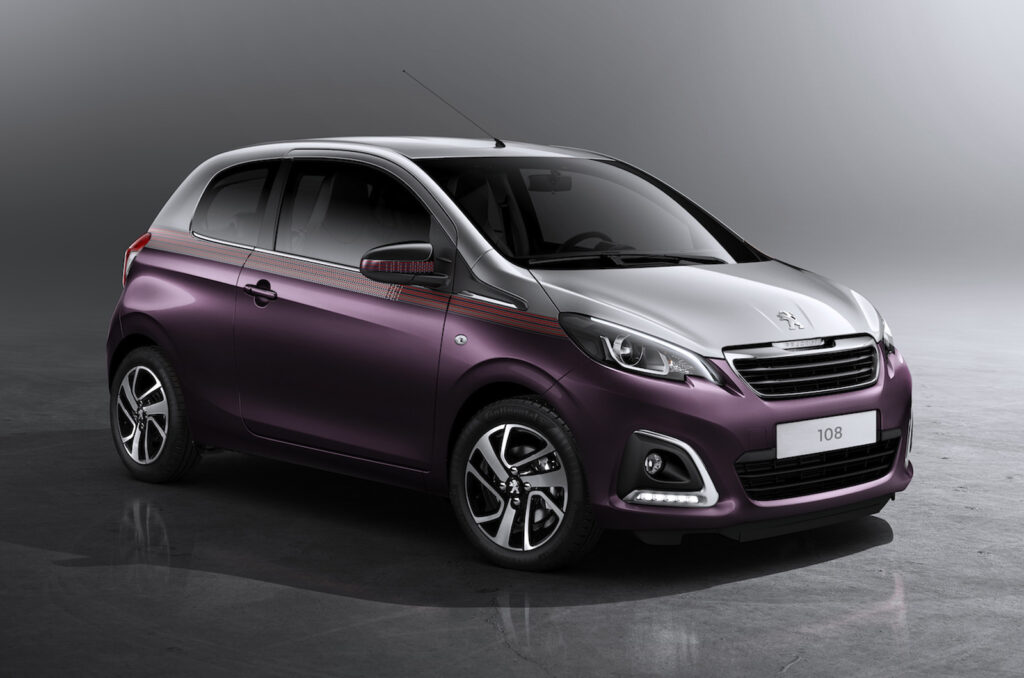
The automotive landscape is buzzing with news that Peugeot may be gearing up to introduce a successor to its beloved 108, as new regulations are making city cars more appealing than ever. This move comes at a time when urban mobility solutions are in high demand, and manufacturers are looking for innovative ways to cater to the growing population of city dwellers.
Key Takeaways
- New rules make city cars more viable economically and environmentally.
- The Peugeot 108’s successor could offer advanced tech features like autonomous emergency braking (AEB).
- Potential for a hybrid or electric variant to align with growing eco-consciousness among consumers.
With the introduction of stricter emissions standards and urban congestion charges, city cars have gained renewed interest from both manufacturers and buyers. The Peugeot 108 was a compact marvel when it debuted in 2014, offering a blend of practicality and affordability that resonated with many drivers in densely populated areas.
The upcoming model is expected to build upon the legacy of its predecessor while incorporating modern advancements. For instance, the inclusion of autonomous emergency braking (AEB) could be a significant selling point for safety-conscious buyers. Additionally, the potential integration of hybrid or electric powertrains would not only comply with stricter emission regulations but also appeal to an increasingly eco-aware customer base.
Historically, city cars have played a crucial role in urban transportation, providing efficient mobility solutions that are often underappreciated by mainstream media and car enthusiasts. The Peugeot 108 was no exception; it offered a unique balance of space efficiency and comfort for its size. Its successor could very well carry forward this tradition while addressing contemporary challenges such as traffic congestion and environmental concerns.
As the automotive industry continues to evolve, manufacturers are increasingly focusing on niche markets that were previously overlooked or underdeveloped. The potential revival of the Peugeot 108 is a testament to the adaptability of carmakers in responding to changing consumer needs and regulatory landscapes. With its compact dimensions and versatile utility, this new city car could become a staple for urban drivers seeking practicality without compromising on modern amenities.
Frequently Asked Questions
Will the Peugeot 108 successor be available in hybrid or electric variants?
Yes, there is a strong possibility that the new model will feature both hybrid and full-electric options to cater to eco-conscious consumers.
What safety features are expected on the Peugeot 108 successor?
The inclusion of advanced safety technologies such as autonomous emergency braking (AEB) is highly anticipated, enhancing overall vehicle safety and driver peace of mind.
In conclusion, the potential return of the Peugeot 108 in a new guise reflects the industry’s ongoing efforts to innovate within niche segments. As urban living continues to shape automotive trends, models like this successor could play an essential role in shaping the future of city driving.
