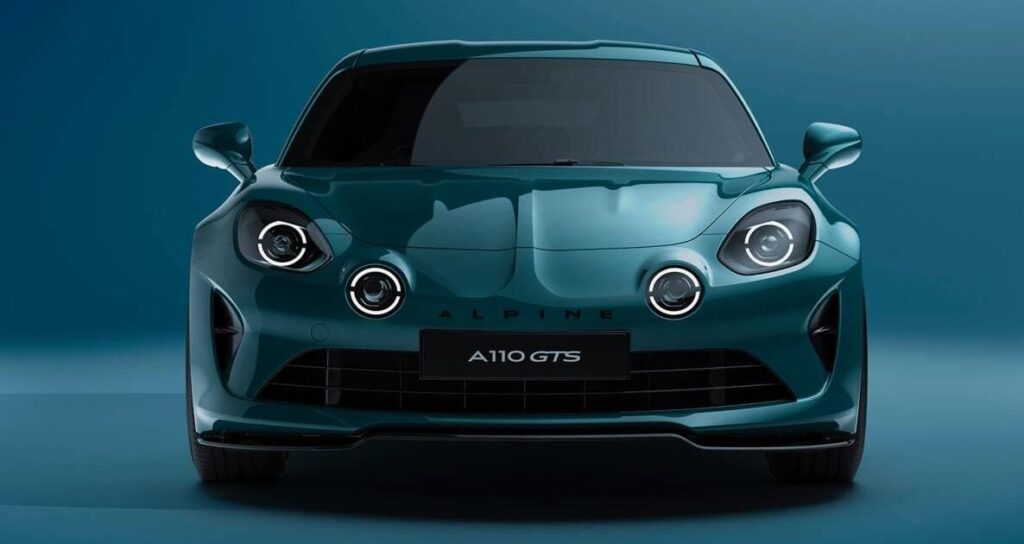
An automotive brand is planning to launch two electric convertibles, a move that contrasts with the declining popularity of drop-top vehicles. Despite this trend, the company sees an opportunity in the growing electric vehicle market.
Key Takeaways
- The brand plans to introduce two new electric convertible models despite a decline in traditional convertibles.
- This strategy aims to capitalize on the increasing demand for EVs, even as overall drop-top sales decrease.
- The move reflects a shift towards niche market strategies within the broader automotive industry.
According to recent data, the global convertible car segment has seen a steady decline over the past decade. In 2019, convertibles represented about 3% of total new vehicle sales in the United States, down from around 5% in 2010. This trend is attributed to changing consumer preferences and urbanization trends that favor compact cars.
The brand’s decision to focus on electric convertibles aligns with broader industry shifts towards electrification. As more automakers invest heavily in EV technology, the company aims to differentiate itself by offering unique and luxurious options. Electric powertrains offer advantages such as instant torque and smoother operation compared to traditional internal combustion engines.
Competitors like BMW and Mercedes-Benz have also launched electric convertibles, including the i8 Roadster and EQS Convertible respectively. However, these models are positioned at the premium end of the market, targeting affluent consumers who prioritize luxury and technology features. The brand’s new offerings will likely compete with these high-end models but may also target a broader audience through more accessible pricing.
Despite the challenges posed by declining demand for convertibles, the company believes that electric powertrains can attract a different demographic of car buyers interested in sustainability and performance. Market analysts predict that EVs could represent up to 30% of new vehicle sales globally by 2030, driven by stricter emissions regulations and consumer acceptance.
Frequently Asked Questions
Will electric convertibles be more expensive than their gasoline counterparts?
Yes, due to the higher costs associated with battery technology and advanced electronics. However, ongoing improvements in EV manufacturing could lead to price reductions over time.
How do these new models compare in terms of performance to traditional convertibles?
The electric powertrains provide instant torque and typically offer superior acceleration compared to conventional engines. Additionally, the absence of a combustion engine allows for more interior space and quieter operation.
In conclusion, while the market for drop-top vehicles may be shrinking, electric convertibles present an opportunity for brands looking to innovate and capture the growing EV segment. The launch of these models reflects a strategic shift towards niche markets within the broader automotive industry.
