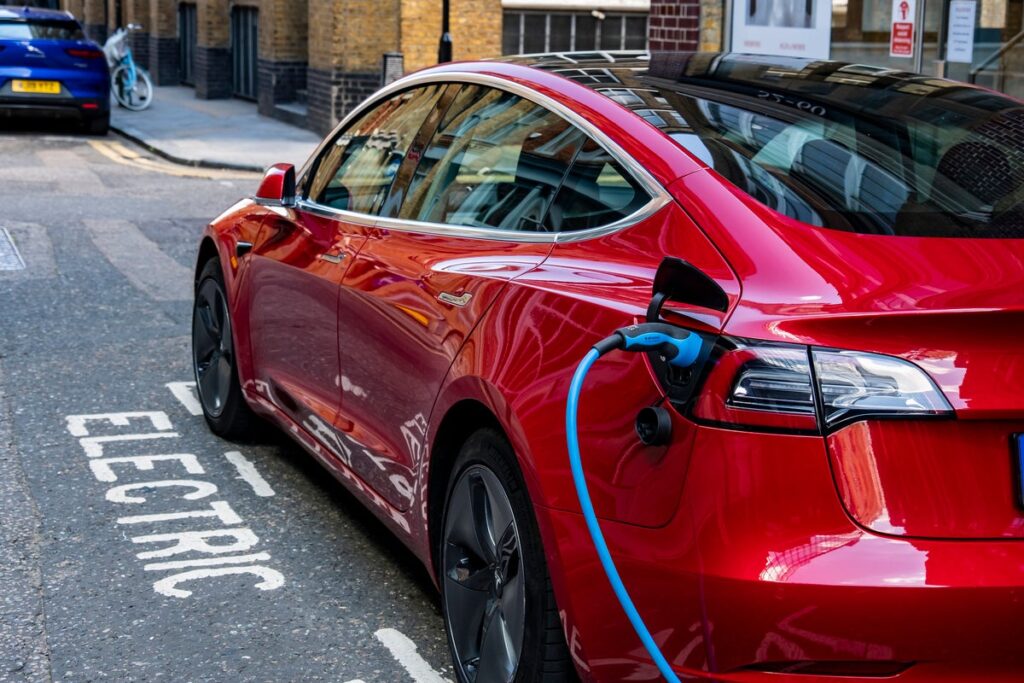
Are you still on the fence about buying an electric vehicle (EV) after the recent Budget changes? The introduction of a new tax, the Electric Vehicle Excise Duty (eVED), might have given some EV enthusiasts pause. But is it all doom and gloom for eco-friendly drivers?
Key Takeaways
- The eVED will add 3p per mile to the running cost of electric vehicles from April 2028.
- Despite this new charge, EVs are expected to remain cheaper than petrol cars when charged at home.
- Petrol drivers may face increasing fuel costs due to rising inflation and the abolition of the 5p fuel duty cut in 2026.
The announcement of a pay-per-mile tax for EVs might seem like bad news, but let’s take a closer look. The new charge is set at 3p per mile, which will be adjusted annually with inflation. For those who clock up around 8,000 miles each year, this would amount to roughly £240 annually or about £20 per month. While that sounds like a lot, it’s still less than what petrol and diesel drivers currently pay in fuel duty.
But here’s the kicker: EVs are still cheaper to run when charged at home. With electricity costs around 26p per kWh and most electric cars achieving about four miles per kWh, charging an EV works out to be much cheaper than filling up a petrol tank. The average cost of running a petrol car is around 15.5p per mile, while driving an EV will set you back just 9.5p after the new tax.
And let’s not forget about the other perks that come with owning an electric vehicle. Not only are they better for the environment and quieter on the roads, but many also enjoy generous tax benefits through company car schemes. Plus, there’s the convenience of plugging in your car at home rather than making a trip to the petrol station.
Of course, the cost of purchasing an EV can be higher upfront compared to traditional cars. But with fuel costs rising and government incentives still available, it might just be worth considering if you’re serious about reducing your carbon footprint.
Frequently Asked Questions
Will the new tax make EVs more expensive than petrol cars?
No, while the new 3p per mile charge will increase costs slightly, driving an electric vehicle is still expected to be cheaper overall when charged at home.
How much will I pay annually with the eVED?
If you drive around 8,000 miles a year, you would pay approximately £240 annually under the new tax scheme.
In conclusion, while the introduction of the Electric Vehicle Excise Duty might seem like a setback for EV drivers, it doesn’t completely negate the benefits. Keep in mind that petrol prices are also on the rise, and EVs offer significant advantages both financially and environmentally. So, is buying an electric vehicle still worth it? The answer seems to be a resounding yes.
