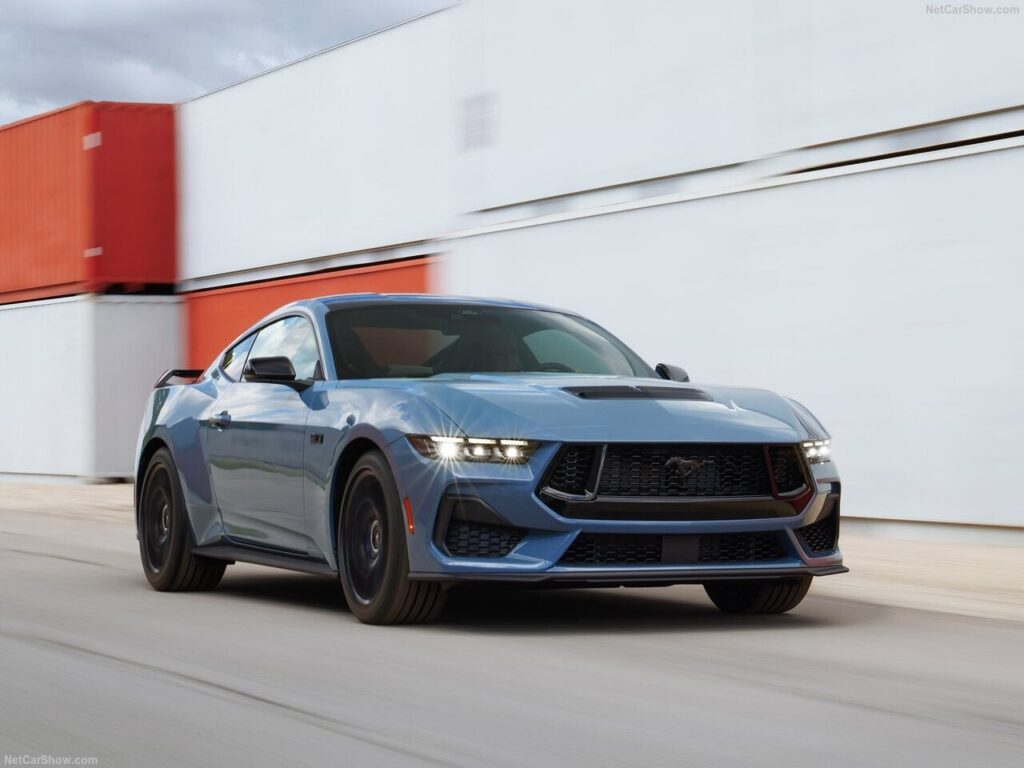
When the promise of a quiet, electric future seemed imminent, November sales figures from Ford threw a curveball. The classic Mustang nearly outsold all of Ford’s electric vehicles combined in the U.S., sparking debate about the transition to electric cars.
Key Takeaways
- The traditional Mustang outperformed Ford’s entire lineup of EVs by just 40 units last month.
- Ford’s electric vehicle sales are suffering due to the end of federal tax credits in the U.S.
- Purely financial incentives aren’t enough for a smooth transition to electric vehicles.
At Ford’s headquarters, November’s numbers left executives scratching their heads. The Mustang, often seen as an endangered species in the era of EVs, sold 4207 units compared to 4247 combined sales from the Mach-E, F-150 Lightning, and E-Transit.
Despite electric vehicles’ overall lead for the year—80,000 battery-powered cars versus about 40,000 Mustangs—the recent surge in Mustang’s popularity is a red flag. The lack of financial incentives has hit EV sales hard as buyers return to familiar options like the classic Mustang.
The comeback story of the Mustang highlights deeper issues with electric vehicle adoption. As federal tax credits fade away, consumers are less willing to switch from tried-and-true gas-powered vehicles to newer technology without significant perks.
While Ford’s EV division struggles, traditional models remain solid sellers. The Mustang’s resurgence shows that consumer preference for established brands isn’t easily swayed by technological advancements alone.
Frequently Asked Questions
How did the Mustang outperform Ford’s electric vehicles?
The classic Mustang sold nearly as many units (4207) in November 2025 compared to all of Ford’s EV models combined, which barely reached 4247. This performance is attributed to fading financial incentives for buying electric cars.
What does this mean for the future of electric vehicles?
This trend suggests that without substantial government support or significant improvements in EV technology, the shift towards fully-electric vehicles will remain sluggish. Consumers are hesitant to switch from familiar models like the Mustang.
The November sales numbers serve as a stark reminder: while electric cars have their place, traditional gas-powered engines still hold strong appeal for many drivers. Ford’s challenge now is finding ways to bridge this gap and make EVs more accessible without relying solely on financial incentives.
