For over two decades now, Stellantis has been a key player in the auto industry. Yet despite mounting evidence of climate change and shifting consumer preferences towards electric vehicles (EVs), they’re still pushing back against stricter emissions regulations.
Key Takeaways
- Stellantis supports Germany’s push to soften EU car emission rules set for a decade out.
- The company claims it’s about industry growth, but EVs from China could dominate if this happens.
- This move flies in the face of scientific evidence and public health concerns.
With Norway leading the way with nearly 100% EV adoption and Tesla’s Model Y setting sales records worldwide, it’s clear that consumer demand for cleaner vehicles isn’t slowing down. But Stellantis seems stuck in its ways, advocating for weaker regulations a decade ahead of time.
The company’s stance is reminiscent of the early days when they argued against electric cars because consumers weren’t interested. Yet Tesla proved everyone wrong with the Model 3 and now the Model Y. It’s hard to see how Stellantis can keep ignoring this trend.
Stellantis CEO Antonio Filosa notes that his company welcomes Germany’s support for revising European regulations, highlighting a disconnect between their rhetoric about sustainability and actual actions. This pushback on EU rules isn’t just delaying near-term requirements but aiming at weakening standards years down the line.
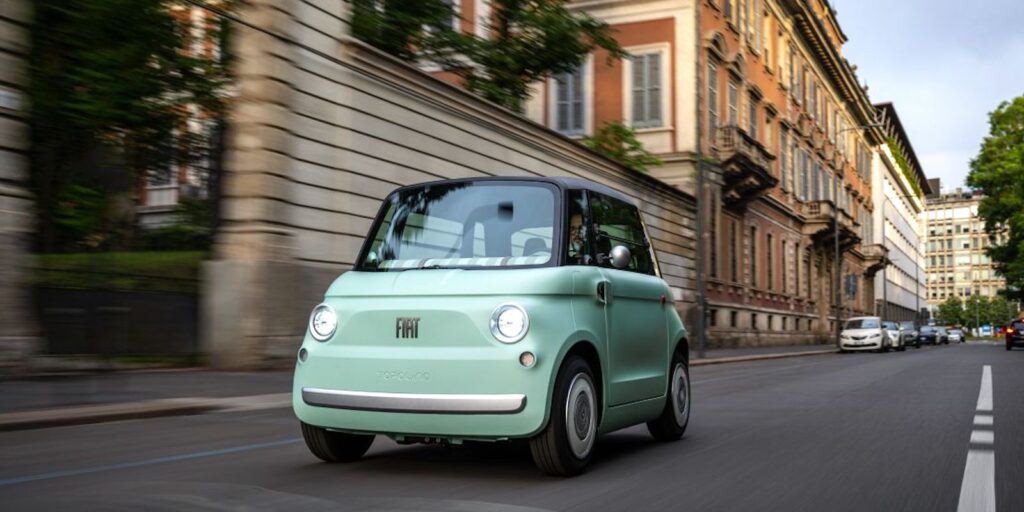
The irony is stark: while Stellantis looks back fondly at classic models like the Fiat Topolino for nostalgia, they’re failing to innovate in ways that could secure their future success. Their reluctance to embrace electric vehicles and stringent emissions regulations isn’t just bad business sense; it’s also a major environmental concern.
Frequently Asked Questions
What does Stellantis say about the push for softer EU car emission rules?
The company claims that weakening these regulations is necessary to support European automotive industry growth, but critics argue it’s an attempt to delay addressing environmental and public health issues.
Why are some automakers resistant to stricter emissions standards?
Automakers like Stellantis have traditionally argued that consumer demand isn’t there for EVs or stringent emission controls. However, with the rise of Tesla and growing global adoption rates, this argument is losing credibility.
In essence, Stellantis risks falling behind in a rapidly evolving market where electric vehicles are becoming increasingly dominant. It’s time they catch up to reality before it’s too late.
