Electric car sales growth has slowed significantly in November, with only a marginal increase of 3.6% compared to the same period last year, according to figures from the Society of Motor Manufacturers and Traders (SMMT).
Key Takeaways
- New EV registrations rose by just 40,000 in November.
- The government’s Electric Car Grant hasn’t boosted sales as expected.
- Tax plans for electric vehicles announced in the Autumn Budget are likely deterring buyers.
November saw only a quarter of new car registrations being EVs, falling short of expectations despite the introduction of an incentive scheme offering up to £3,750 off select models. The government’s ZEV Mandate aims for 28% of all sales this year but is currently at 22.7%, underscoring a significant gap.
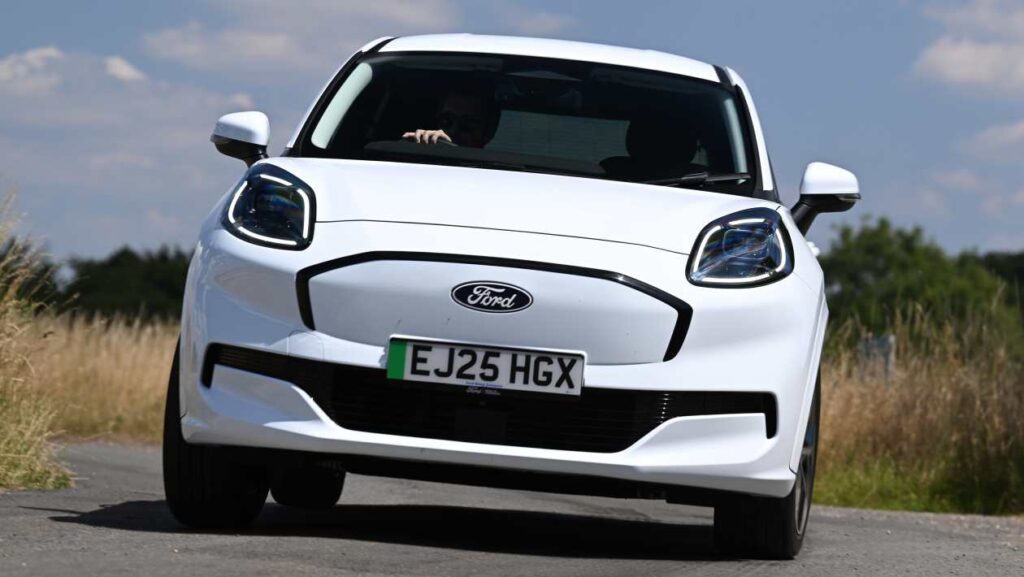
Notably, no pure electric cars made it into the top ten sellers in November. While Ford’s Puma Gen-E model maintained its position as best-seller with both petrol and zero-emissions options available, Tesla’s Model Y and Renault 5 didn’t make the list despite strong sales previously. This suggests that potential buyers may be hesitant due to speculation about future taxes.
The Autumn Budget announcement of a pay-per-mile tax for electric vehicles has likely played a role in dampening enthusiasm among consumers. With many models not qualifying for full grant amounts, and concerns over upcoming costs, the market remains cautious despite incentives designed to encourage adoption.
Frequently Asked Questions
How much is the Electric Car Grant?
The government’s scheme offers up to £3,750 off new electric vehicles. However, not all models qualify for this full amount.
What are the tax plans affecting EVs?
A pay-per-mile tax is being considered by the Government as part of its Autumn Budget proposals to curb demand and manage costs associated with electric vehicles.
The subdued performance in November highlights a growing disconnect between government incentives and consumer confidence. As such, the future outlook for EV sales remains uncertain amid ongoing policy changes and market speculation.
