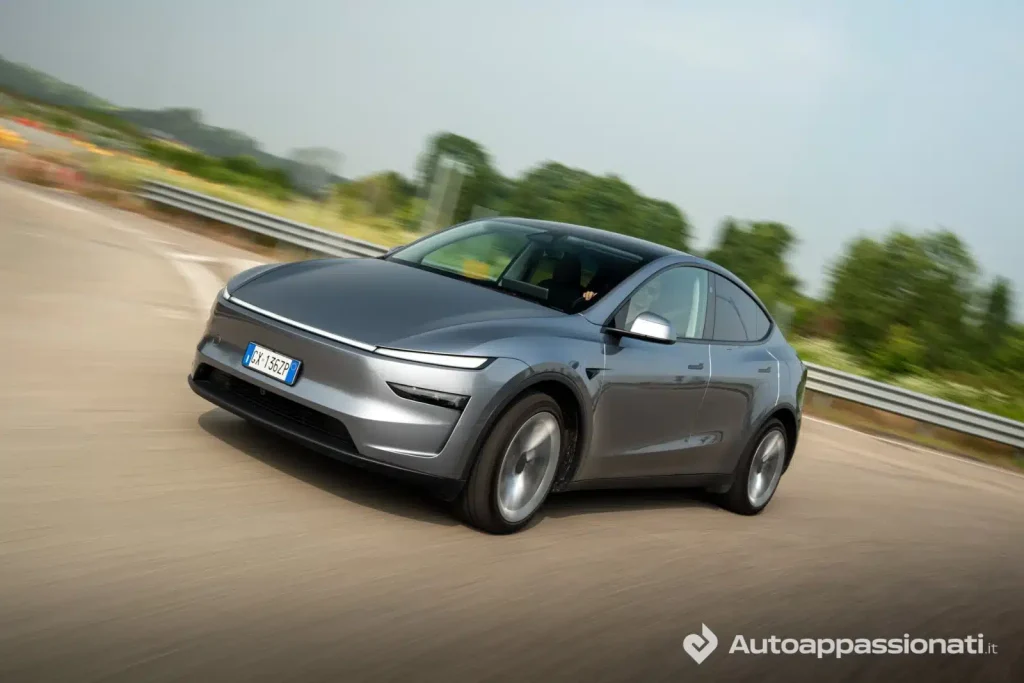
Are you a Tesla owner wondering about the battery in your car? A recent study by EV Clinic, a European lab specializing in electric vehicle diagnostics and recovery systems, might have some surprising news for you.
Key Takeaways
- Tesla batteries made with LG NCM811 cells show significant degradation issues compared to Panasonic’s offerings.
- The high internal resistance in LG battery packs suggests a compromised structural integrity from the start, making repairs difficult or impossible.
- Panasonic-produced batteries offer better longevity and repairability, with more gradual wear over time.
When it comes to electric vehicles, Tesla has always been at the forefront of innovation. But behind all that cutting-edge technology lies a crucial component: the battery pack. For models like the Model 3 and Y produced in China, these packs are made with LG NCM811 cells.
But here’s where it gets tricky. EV Clinic recently put some batteries to the test, focusing on those from LG assembled at Nanjing. The results weren’t exactly glowing. They found that out of 46 tested cells, a staggering fifteen had internal resistances over 100 mΩ—way above what you’d expect in healthy cells.
But why does this matter? Well, high resistance means the battery isn’t as efficient at storing and delivering energy. It’s like having an engine with too much friction—it just won’t run as smoothly or last as long. And to make matters worse, EV Clinic says that 90% of LG packs they’ve looked at can’t be effectively repaired.
Now, let’s compare this with Panasonic-produced batteries for US-made Teslas. They show a more gradual wear pattern over time and maintain better resistance levels. This means you might actually get to enjoy your car’s full potential longer. Plus, if something does go wrong, it can often be fixed without having to replace the whole pack.
Frequently Asked Questions
What are the main differences between LG and Panasonic battery packs?
The key difference lies in internal resistance. Healthy cells from Panasonic have resistances around 10 mΩ, while new LG NCM811 cells already show levels of about 28 mΩ.
Can I still trust my Tesla if it has an LG battery?
Absolutely! Your car is still a fantastic vehicle. However, you might want to keep an eye on its performance and be prepared for potential issues earlier than expected.
In the end, while this news may raise some eyebrows, it’s important not to lose sight of how far electric vehicles have come in recent years. Whether your Tesla has a Panasonic or LG battery, there’s still much excitement ahead!
