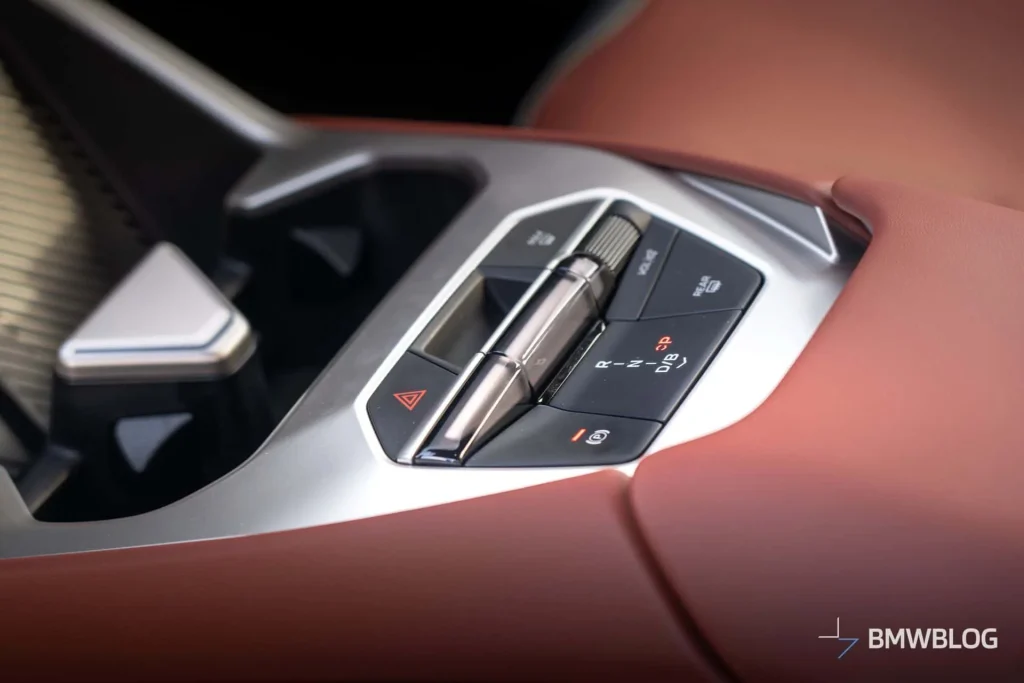
As BMW‘s new iX3 rolls out, the company is facing a heated internal debate about whether to prioritize sleek touchscreen interfaces or keep essential physical buttons for safety reasons.
Key Takeaways
- BMW debates between user-friendly screens and necessary physical controls in vehicles like iX3
- The company aims to balance innovation with driver safety concerns as they reduce traditional dashboard elements
- New models will likely continue the trend of fewer buttons but retain some essential features for usability
BMW’s latest model, the second-generation iX3, takes a bold step by removing the iconic rotary knob from its dashboards. With a massive 17.9-inch touchscreen taking center stage, it showcases BMW’s commitment to reducing physical buttons and embracing digital interfaces.
The shift towards touchscreens is driven by Falk Schubert’s vision of an innovative user interface that can be reprogrammed easily for future updates. However, this approach raises safety concerns as drivers’ eyes are drawn away from the road when searching through menus on a screen.
While some within BMW advocate for even fewer buttons to maintain a minimalist design aesthetic, others push back arguing that certain physical controls enhance usability and driver confidence. The steering-wheel stalks in iX3 remain untouched but climate control functions have been moved entirely onto the touchscreen.
The dilemma of balancing style with safety isn’t unique to BMW; it’s an industry-wide issue as automakers strive for sleeker designs while ensuring drivers’ needs are met. With 40 new or updated models set to debut by the end of 2027, many will likely adopt a similar interface philosophy.
Frequently Asked Questions
Will all BMWs have touchscreens?
No. While iDrive X is expanding across the lineup, some models like Z4 and 8 Series won’t transition to it.
Can I still adjust climate controls with buttons in new cars?
In most cases, you’ll have to use touchscreens for these functions. However, BMW is carefully weighing user feedback as they evolve their interfaces.
The ongoing discussion highlights the challenges automakers face when balancing aesthetics and functionality. As technology advances, finding this sweet spot will be crucial in shaping future automotive designs.
