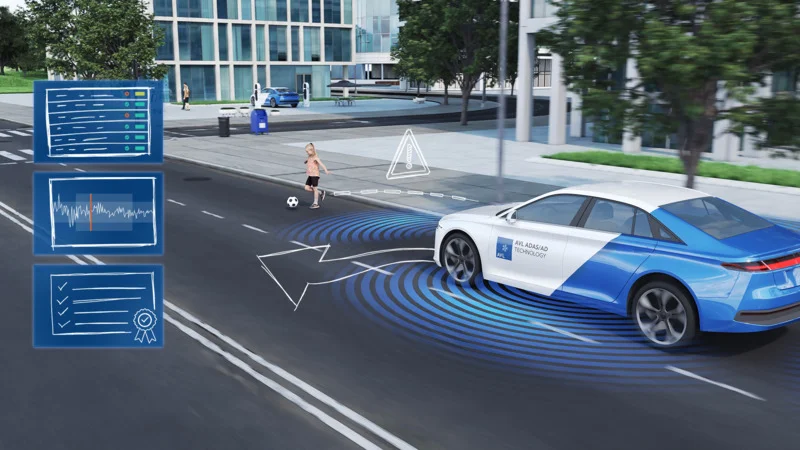
The European New Car Assessment Programme (Euro NCAP) has unveiled its latest protocol for 2026, marking a significant shift in vehicle safety evaluation. This new framework broadens assessments beyond crash tests to include real-world scenarios and driver behavior.
Key Takeaways
- New Euro NCAP protocols assess vehicles across prevention, protection, and recovery phases.
- The shift emphasizes system interactions over individual ADAS functions in diverse conditions.
- Euro NCAP 2026 introduces stricter requirements for driver monitoring and post-crash safety features.
Under Euro NCAP’s new protocol, manufacturers must now ensure their vehicles excel not just during a crash but also before it happens. The emphasis is on preventing accidents through advanced driver assistance systems (ADAS) that work seamlessly together in real-world conditions.
New requirements for motorcyclist detection and turning maneuvers mean automakers need to invest heavily in sensor technology and AI-driven predictive analytics, which can be costly compared to previous standards.
Post-crash safety is another area where Euro NCAP 2026 sets higher expectations. Vehicle designs must now include features like eCall activation and EV battery isolation even after structural damage from intense collisions.
The updated protocol also places a greater focus on driver monitoring systems, which assess whether drivers are paying attention to the road or engaging in distracting behaviors such as using their phones while driving.
Frequently Asked Questions
How does Euro NCAP 2026 differ from previous protocols?
Euro NCAP 2026 introduces a lifecycle assessment approach, evaluating vehicles before and after crashes in addition to during impact. It also emphasizes the integration of ADAS features rather than individual performance.
What changes for automakers under Euro NCAP 2026?
Automakers must enhance their validation strategies, focusing on system interactions and real-world conditions. They’ll need to invest more in advanced safety technologies like driver monitoring and robust post-crash systems.
With these changes, the automotive industry is set for a period of innovation as manufacturers work towards meeting Euro NCAP’s stringent new requirements by 2026.
