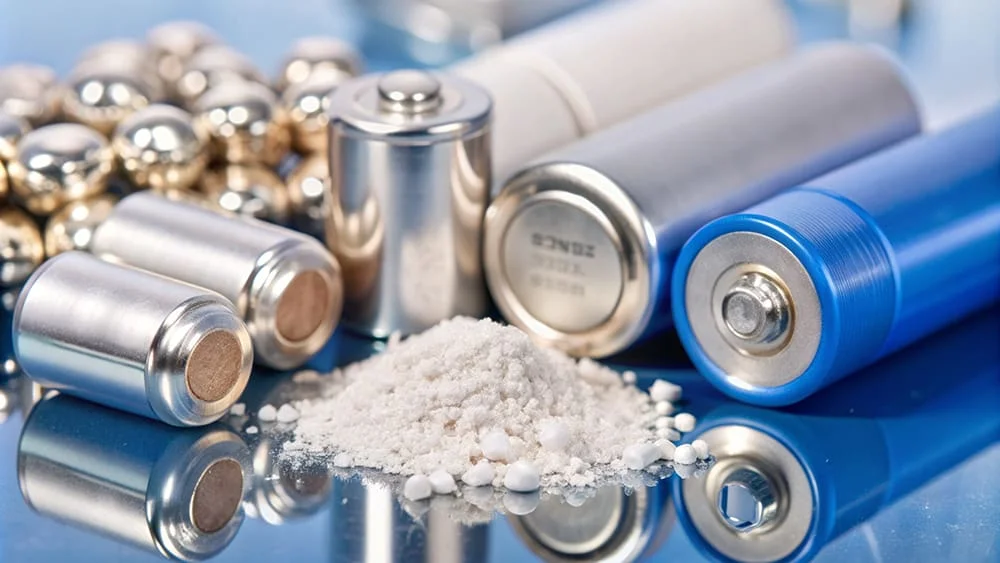
Vulcan Energy has secured a significant financial boost with an export loan of €100 million from the Export and Investment Fund of Denmark (EIFO), bringing its total debt package to approximately €1 billion. This funding supports Phase One of the Lionheart Project, which aims to establish Europe’s first sustainable lithium production facility in Germany.
Key Takeaways
- Vulcan Energy receives €100 million loan from EIFO for its Lionheart Lithium Project.
- The project will produce 24,000 tonnes of lithium hydroxide monohydrate per year to supply European EV manufacturers.
- It aims to reduce Europe’s dependency on Chinese imports and strengthen the local energy transition efforts.
Vulcan Energy’s Lionheart Project represents a major step forward in establishing domestic sources for critical battery materials, reducing reliance on China. The project will produce lithium hydroxide monohydrate (LHM) using an integrated geothermal process that significantly lowers environmental impact compared to traditional methods.
By leveraging existing and new wells, the company plans to minimize infrastructure costs while maximizing efficiency. This approach is reminiscent of how early automotive pioneers like Henry Ford streamlined production processes with innovative assembly lines, setting a precedent for modern manufacturing techniques.
The Lionheart Project will generate 275 GWh of renewable power annually, alongside providing heat energy for local communities and industries. With partnerships secured from major players such as Stellantis, LG Energy Solution, Umicore, and others, the project is well-positioned to meet growing demand in Europe’s electric vehicle market.
Frequently Asked Questions
How much lithium will be produced annually?
The Lionheart Project aims to produce 24,000 tonnes of LHM per year once fully operational.
What’s the environmental impact compared to traditional methods?
Vulcan Energy claims its geothermal lithium extraction process uses recycled water and green energy, significantly reducing carbon emissions relative to conventional mining techniques.
The Lionheart Project marks a pivotal moment in Europe’s transition towards sustainable mobility. As more automakers look for reliable domestic sources of battery materials, this project stands out as both environmentally sound and strategically important.
