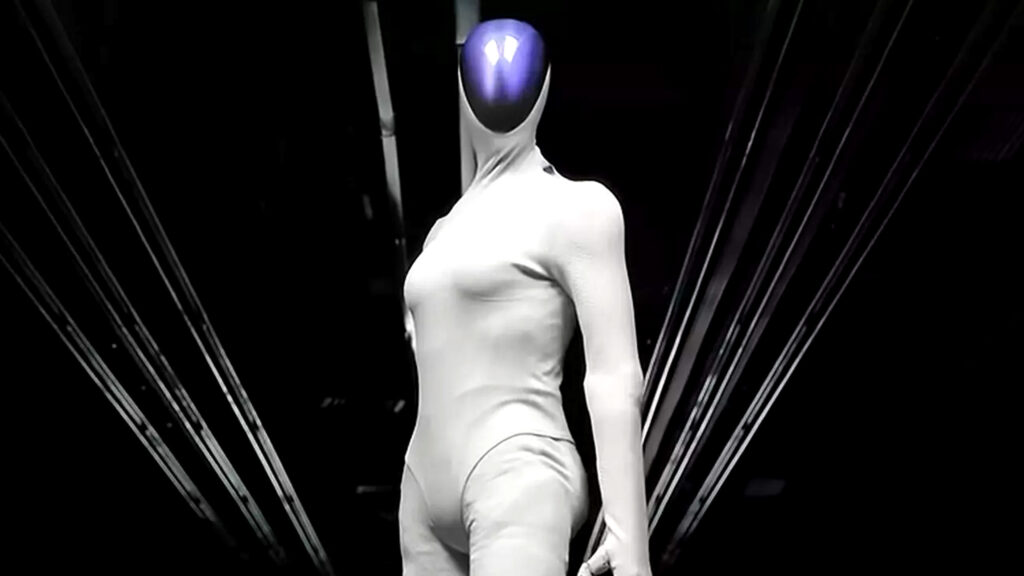
Xpeng, a rising star in China’s electric vehicle (EV) market, has taken its humanoid robot development to new heights with the unveiling of Iron. The Iron robot is not just another piece of technology; it’s designed to look and act almost identically to a human being, walking and talking as naturally as any person would.
During the launch event in China, Xpeng decided to take an unconventional approach to proving its capabilities. When online rumors suggested that the humanoid robot was actually a human dressed up for effect, Xpeng took matters into their own hands. They cut open the robot’s leg on stage to reveal its mechanical innards, showing everyone present and watching online exactly how advanced Iron really is.
The company’s CEO and co-founder He Xiaopeng believes that robotics will soon become as commonplace in everyday life as cars are today. Xpeng sees a vast potential market for humanoid robots across various sectors including retail stores, office parks, and factories. According to JPMorgan’s analysis, this new segment could be worth billions of dollars by 2035.
While Xpeng is leading the charge in China with its Iron robot, other car manufacturers are also investing heavily in robotic technology. BYD, for instance, is working on a humanoid robot similar to Xpeng’s Iron, indicating that this trend isn’t limited to just one company.
Iron runs on an AI model called Vision-Language-Action 2.0, developed in-house by Xpeng. This sophisticated system allows the robot to interact with its environment and people in a more natural way than ever before seen. As production is slated for late 2026, there’s no doubt that this technology will soon be seen across multiple industries.
Xpeng’s latest venture into humanoid robotics demonstrates not only their technological prowess but also their foresight regarding the future of automation and AI. The company continues to innovate in various areas beyond just EVs, such as flying cars, further cementing its position as a leader in China’s tech-driven automotive landscape.
