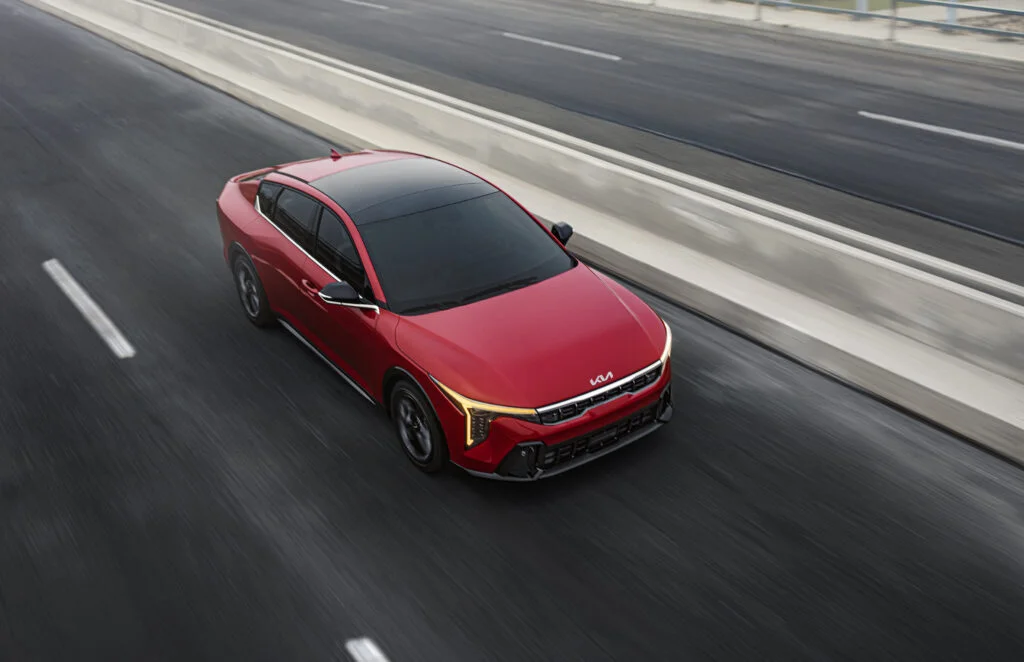
Starting January, <a href="https://autoglobalnews.com/genesis-gv90-gear-selector-spotted-yang-hee-won-steps-down-from-hyundai-r-d/” style=”color:#1a73e8;text-decoration:underline;” title=”Genesis GV90 Gear Selector Spotted, Yang Hee-won Steps Down “>Hyundai Wia will kick off mass production of hybrid engines at its plant in Salamanca, Guanajuato, Mexico. The move signals a significant shift towards electrification as the company aims to supply these advanced power units for both the all-new Kia K4 and its hatchback variant.
Key Takeaways
- Hyundai Wia will manufacture hybrid engines in Mexico from January 2024.
- The engines are destined for use in both the new Kia K4 sedan and its hatchback version.
- This production marks a strategic step towards increasing local content and reducing logistics costs.
Hyundai’s move to ramp up hybrid engine manufacturing is part of an ongoing trend toward electrification. The company aims to leverage existing infrastructure in Mexico, which has been instrumental for conventional car assembly over the past decade.
The engines being produced are designed with efficiency and performance in mind. They’re expected to offer a blend of power output that’s comparable to some traditional gasoline models but with better fuel economy and lower emissions.
Recalling older models like the Hyundai Sonata, which has long been a staple for its reliable hybrid systems, today’s Kia K4 is set to carry on this legacy. The DN9 generation of the Sonata was notable for introducing advanced technologies that made hybrids more appealing to mainstream buyers.
The decision to produce these engines in Mexico also reflects an effort by Hyundai and Kia to strengthen their foothold in North America’s auto market, where there’s growing consumer demand for hybrid vehicles. By localizing production, they can better meet this demand while reducing transportation costs.
Frequently Asked Questions
Will the new Kia K4 use a plug-in hybrid system?
No, it will feature a non-plug-in mild or full hybrid setup similar to what’s currently available in other Hyundai and Kia models.
How does this compare with previous engine production efforts by Hyundai Wia?
This represents an expansion of existing capabilities, building on the success of conventional engines produced at Salamanca. It’s a natural progression towards more electrified powertrains.
The shift to hybrid manufacturing is just one piece in a larger puzzle for Hyundai and Kia as they strive to meet stricter emission standards while catering to changing consumer preferences.
