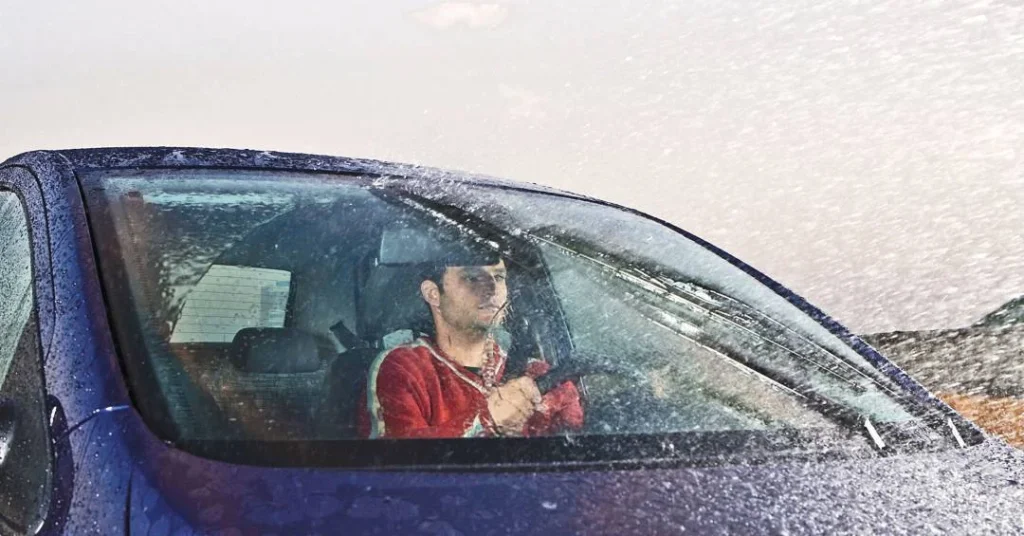
Ever wondered how that handy windshield wiper sensor works? It’s not just a luxury feature anymore; it’s becoming standard in many mid-range cars. But can you install one yourself?
Key Takeaways
- The technology behind the sensors uses infrared beams to detect rain.
- You need professional help for installation due to technical challenges.
- Kits are available that combine both wiper and light-sensing functions.
When it rains, a sensor on your car’s windshield automatically triggers the wipers without you having to do anything. It’s pretty cool technology using infrared beams. The sensors emit these invisible rays onto the glass—when raindrops hit, they change how those rays bounce back, and that tells the system when to turn on.
Now, some folks think installing this tech themselves might save money or hassle. But here’s the thing: it’s not as simple as swapping out a light bulb. The installation requires precise wiring and positioning to work correctly with your car’s computer systems. It can be tricky stuff that most people won’t want to DIY.
There are universal kits you could buy, though. These often combine both wiper sensing and twilight (light level) functions for better value. They’re designed to fit a wide range of vehicles but still need careful installation to avoid damaging your car’s electronics or voiding warranties.
If you’re thinking about getting one installed in your ride, it’s best to leave it up to the pros. They can ensure everything works smoothly and safely without causing any issues with your vehicle’s performance down the line.
Frequently Asked Questions
Can I install a rain sensor myself?
No, it’s recommended to have professionals handle this due to technical complexities and potential damage risks if not done correctly.
What are the benefits of having a windshield wiper sensor?
The main benefit is increased safety by automatically adjusting your wipers based on weather conditions, making driving in rain more comfortable.
In short, while these sensors make life easier when it’s raining cats and dogs, they come with their own set of challenges. So next time you’re out shopping for car accessories or thinking about upgrades, consider the pros and cons before deciding to DIY.
