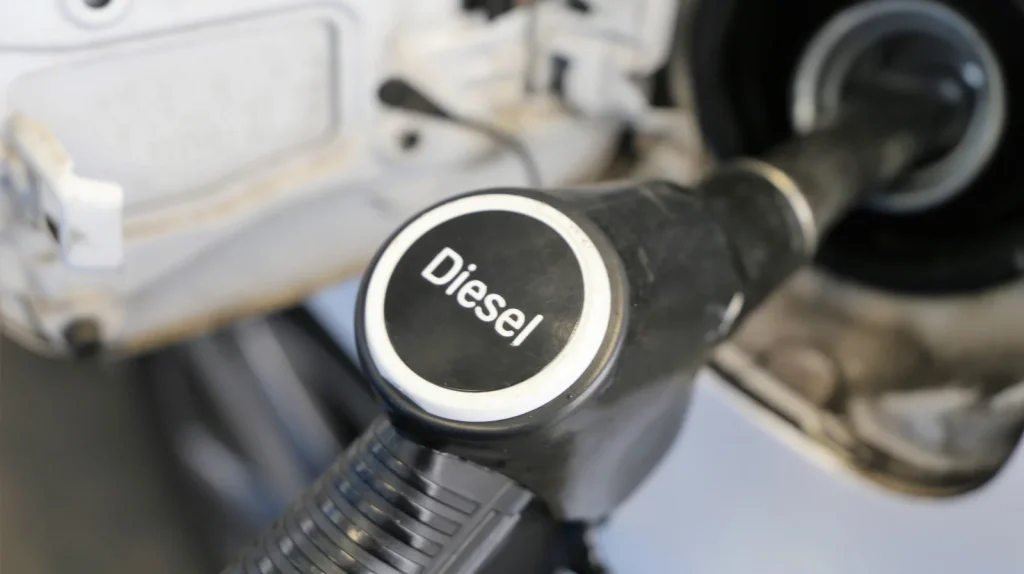
Drivers often make the mistake of putting diesel fuel into a car designed for gasoline. This error can lead to significant mechanical issues and hefty repair costs.
Key Takeaways
- Avoid starting your engine if you’ve mistakenly filled it with diesel.
- The thicker viscosity of diesel can damage fuel injectors, spark plugs, and the catalytic converter.
- Professional help is crucial to minimize potential damages; DIY solutions rarely work effectively.
If you’re a seasoned driver or even just starting out, you’ve likely heard horror stories about putting diesel in your gasoline car. The consequences can be severe, but understanding why this happens and what to do if it does is key to avoiding major headaches.
Diesel fuel has a much higher viscosity than standard unleaded gas. This means that when the wrong type of fuel enters an engine designed for thinner fluid, problems arise almost immediately. Older models with carburetors might show signs quicker since they rely on gravity and suction to move gasoline through the system; modern cars aren’t immune either.
Once diesel gets into your car’s fuel lines, it can clog up injectors and cause issues at several critical points in the engine’s operation. The spark plugs may not ignite properly due to an incorrect air-to-fuel ratio, leading to misfires or even complete failure of ignition systems designed for gasoline.
Another area that suffers is the catalytic converter. This component helps clean up exhaust gases before they exit through your tailpipe. When exposed to diesel fuel and its combustion byproducts, it can become blocked or damaged beyond repair without proper cleaning procedures carried out by experts in automotive diagnostics and maintenance.
Frequently Asked Questions
Can I drive my car if I’ve put diesel fuel in the tank?
No, you shouldn’t start your engine or attempt to drive. Doing so will likely exacerbate any damage caused by using the wrong type of fuel.
How do professionals fix a gas car that’s been filled with diesel?
Techs typically begin by draining all contaminated fuel and flushing out your vehicle’s entire fuel system. They may also need to replace damaged parts like injectors or spark plugs.
In the end, preventing such mistakes is ideal, but being prepared for them when they happen can save you thousands in repair bills. Always double-check before filling up at unfamiliar stations and take immediate action if something seems off with your vehicle’s performance after refueling.
