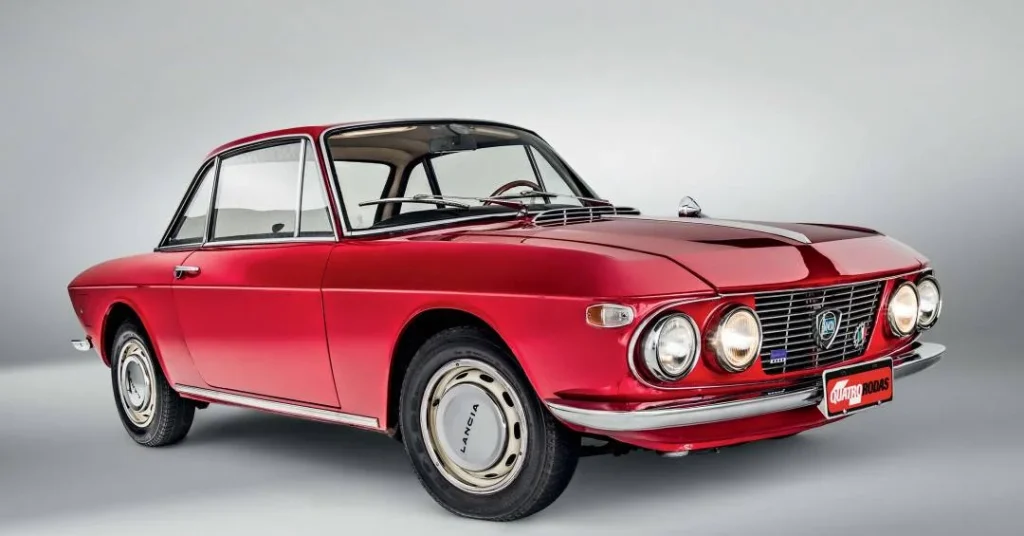
From classic to modern times, automakers have chosen feminine names for their vehicles. This tradition includes tributes like the Hispano Suiza Carmen and innovative models such as the Honda Jade.
Key Takeaways
- The Lancia Fulvia pays homage to Roman heritage with its name inspired by Via Fulvia, a historic road connecting Tortona to Turin.
- Honda introduced the Jade in 2013 for China and later Japan, emphasizing luxury through hybrid technology and precious gemstone symbolism.
- Hispano Suiza’s Carmen honors family legacy while showcasing cutting-edge electric power with over 1,000 horsepower options.
The Lancia Fulvia stands out as a classic example of automotive naming traditions. Introduced in 1963 at the Geneva Auto Show, it was built on the Flavia platform and named after Via Fulvia, reflecting Italy’s rich Roman history.
Hispano Suiza brought back its prestigious nameplate with the Carmen supercar in 2022. This electric vehicle honors Miguel Suqué Mateu’s mother, Carmen, offering two powerful variants: one with 1,019 horsepower and another with a more potent 1,114 hp.
Launched exclusively for China in 2013 before expanding to Japan in 2015, the Honda Jade minivan uses the Civic platform and hybrid technology. Its name reflects beauty, rarity, and value, resonating well within luxury segments.
The Aurora 122c, a Brazilian supercar from 1990 inspired by Ferrari’s F40, featured a turbocharged engine producing 214 hp. It reached 62 mph in just over nine seconds and topped out at an impressive 203.9 km/h.
Frequently Asked Questions
What’s the significance of naming cars after women?
Naming vehicles after females often pays tribute to influential people or reflects cultural and historical elements important to automakers. It adds a personal touch that connects with consumers.
How does the Honda Jade compare in terms of performance?
The Honda Jade, while not focused on high-performance metrics like speed or acceleration, offers efficient hybrid powertrains and luxury features making it competitive in its market segment.
In conclusion, these vehicles illustrate how automakers use feminine names to convey elegance, heritage, and innovation. From historical tributes to modern technology showcases, each name tells a unique story about the car’s identity.
