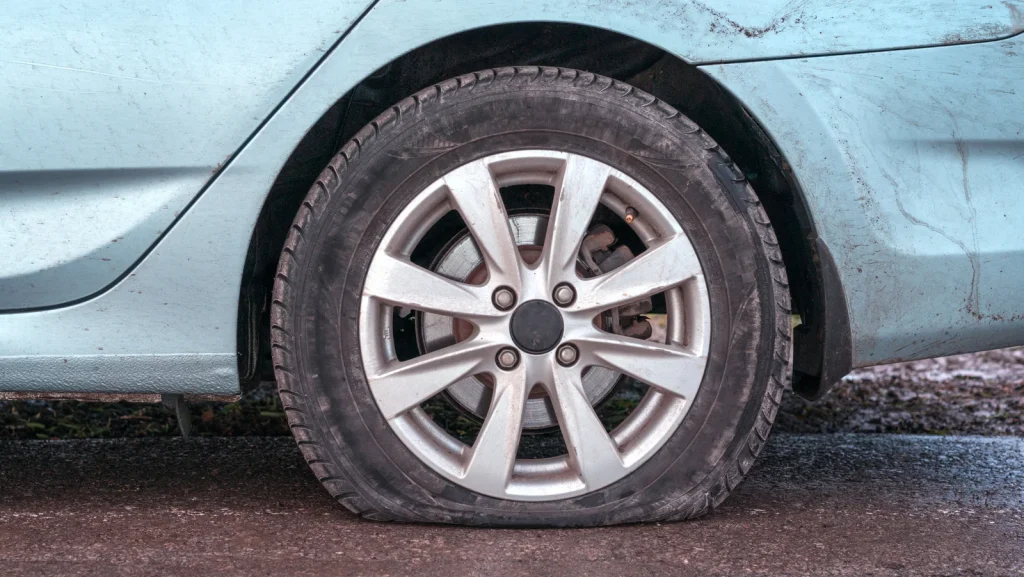
Keeping your tires properly inflated is more than just a safety measure; it’s also crucial for maximizing fuel efficiency. Proper tire pressure ensures optimal rolling resistance, reducing the strain on your engine and improving miles per gallon.
Key Takeaways
- Tires underinflated by 25% can reduce fuel economy by up to 3%
- Cold weather decreases tire pressure, leading to reduced efficiency
- Overinflation offers minimal gains in fuel economy but risks handling issues and tire damage
Underinflating tires increases rolling resistance. This forces the engine to work harder and consume more gas. A study by Oak Ridge National Laboratory found that a 25% drop from recommended pressure can reduce your car’s efficiency by up to 3%, while a 50% reduction could cut it by as much as 10%. In winter, colder temperatures cause tires to lose one or two pounds per square inch (PSI) for every ten-degree Fahrenheit decrease.
Checking tire pressure regularly is essential. Manufacturers recommend specific pressures found on the driver’s side door jamb and in owner manuals. Never inflate them to max PSI marked on the tire itself, as this isn’t the suggested level but rather a safety limit.
Overinflating tires slightly above recommended levels might seem like an easy way to boost fuel economy. However, tests show that increasing pressure by 40% results in only about a 0.12% improvement—hardly worth risking tire failure and handling instability for such small gains.
Frequently Asked Questions
How often should I check my tires’ pressure?
You should regularly monitor your tire pressures, especially before long trips. Check them at least once a month and always when the tires are cold.
Can overinflating tires improve fuel economy significantly?
No, while there’s some evidence of minor gains in efficiency from slightly higher pressures, the risks far outweigh any potential benefits. Stick to manufacturer recommendations for best performance and safety.
Maintaining optimal tire pressure isn’t just about saving money on gas; it’s also crucial for ensuring safe driving conditions and minimizing wear and tear on your vehicle.
