Throughout the past century, certain cars have emerged as cultural icons and sales leaders in their respective decades. Starting from the iconic Ford Model T of the ’20s, each era has seen a defining vehicle that not only dominated sales but also shaped how people lived.
Key Takeaways
- Ford’s Model T redefined car ownership in the 1920s
- The post-war era saw family-friendly cars like the Volkswagen Beetle and Chevrolet Bel Air
- In recent decades, trucks and SUVs have gained popularity over traditional sedans
By the ’20s, Ford’s Model T had become more than just a car; it was an essential part of everyday life for many Americans. With its affordable price tag and innovative production methods, the Model T made automobile ownership possible for a broader segment of society.
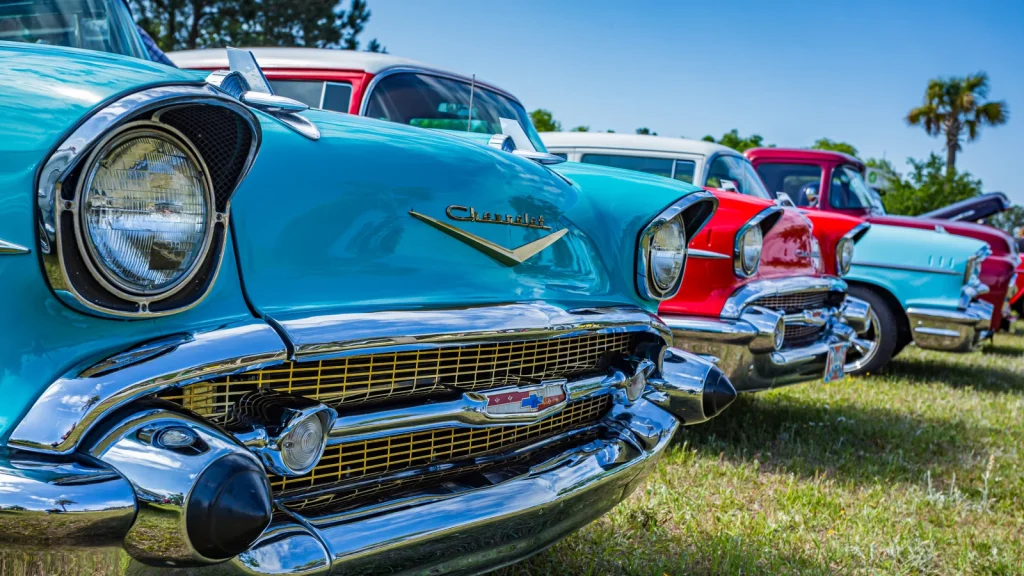
The 1950s saw the rise of family-oriented cars such as the Chevrolet Bel Air and Volkswagen Beetle. These vehicles were not just popular in their home countries but also gained international recognition due to their practicality and appeal.
In contrast, the ’80s and ’90s witnessed a shift towards larger vehicles like trucks and SUVs. Brands like Jeep Cherokee and Toyota Land Cruiser became symbols of status and utility for many consumers seeking versatility over fuel efficiency or compact design.
Today’s landscape is dominated by electric crossovers such as Tesla Model Y, which has become the best-selling vehicle globally in 2023 according to recent sales data. This shift reflects changing consumer preferences towards sustainability and technological advancement.
Frequently Asked Questions
Which car dominated the ’60s?
The Ford Mustang, introduced in 1964, became an instant classic for its sporty design and affordability. It revolutionized the concept of a personal vehicle that combined style with performance.
How did SUV popularity grow in recent years?
SUVs gained traction due to their spacious interiors, off-road capabilities, and perceived safety advantages over smaller vehicles. Marketing campaigns highlighting these features helped increase consumer interest across various demographics.
The evolution of popular cars from decade to decade reflects broader societal changes and technological advancements in the automotive industry.
