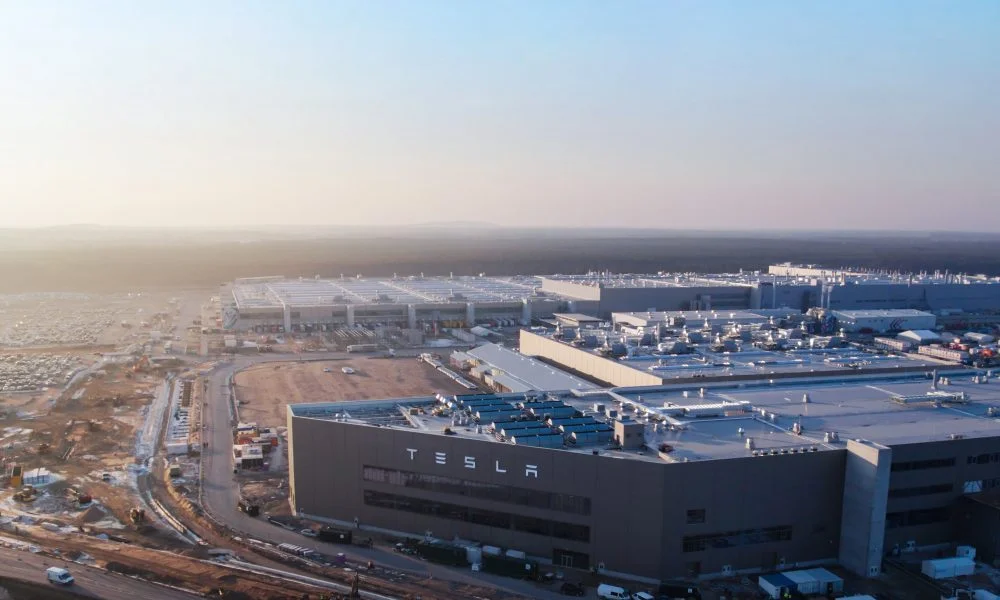
<a href="https://autoglobalnews.com/cox-automotive-predicts-sharp-decline-in-tesla-s-us-sales-for-2025/” style=”color:#1a73e8;text-decoration:underline;” title=”Cox Automotive Predicts Sharp Decline in Tesla’s US Sa”>Tesla’s Gigafactory in Berlin is facing a new challenge as the factory manager, André Thierig, has drawn a “red line” against reducing working hours to 35 per week. The decision comes amid demands from IG Metall union for better wages and work conditions.
Key Takeaways
- Tesla Berlin factory manager André Thierig rejects a shorter workweek proposal by the IG Metall union.
- The company argues it has increased workers’ salaries more than other carmakers in Germany this year.
- A works council election scheduled for 2026 could determine if Tesla can continue its expansion plans in Berlin.
Thierig told rbb24 that a shorter workweek is off the table. “The discussion about a 35-hour week is a red line,” he said, adding it would impact their ability to expand operations at Giga Berlin.
The IG Metall union wants better wages and working conditions for its members but Tesla claims they’ve already done more than required by raising salaries significantly this year. “We gave our workers a 4% wage increase instead of the usual 2%, which is what they would have gotten under a collective agreement,” Thierig said.
Jan Otto, an IG Metall district manager, countered that Tesla’s wages remain below those at other German car factories and that without a union contract, workers won’t get fair pay. “Tesla can’t claim it’s doing better than others when its lowest-paid employees earn less,” he argued.
The election in 2026 is crucial for both sides as the outcome could affect future plans for Giga Berlin’s expansion and operations. Thierig believes that if IG Metall wins, Tesla might have to reconsider their investment in Germany.
Frequently Asked Questions
What does André Thierig think about the 35-hour workweek?
Thierig sees it as a red line and won’t compromise on reducing working hours to that level. He believes this could hamper their expansion plans.
How has Tesla responded to IG Metall’s demands for better wages?
Tesla says they’ve already raised salaries more than other carmakers, giving workers a 4% increase instead of the usual 2%, showing their commitment to fair compensation.
This standoff highlights the ongoing tension between Tesla and labor unions in Germany. With an election coming up next year, both sides are gearing up for what could be a defining moment for Giga Berlin’s future.
