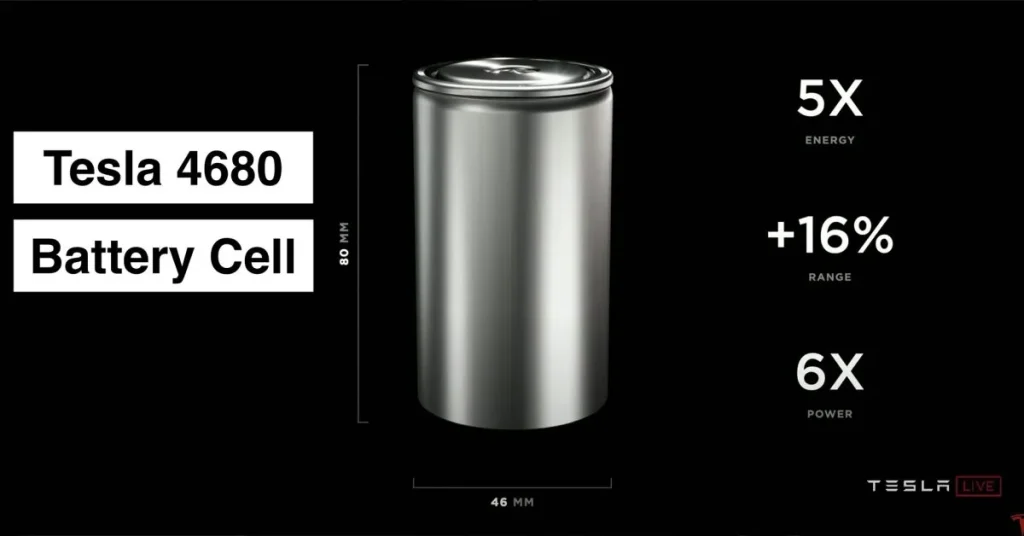
The automotive industry is reeling from the news that South Korean battery supplier L&F Co. has written down its $2.9 billion deal with <a href="https://autoglobalnews.com/cox-automotive-predicts-sharp-decline-in-tesla-s-us-sales-for-2025/” style=”color:#1a73e8;text-decoration:underline;” title=”Cox Automotive Predicts Sharp Decline in Tesla’s US Sa”>Tesla to just over seven thousand dollars, signaling a massive drop in demand for the electric vehicle maker’s proprietary 4680 batteries.
Key Takeaways
- Tesla’s L&F supply contract slashed by nearly 100%
- Cybertruck sales are far below production capacity at Giga Texas
- The fate of Tesla’s proprietary battery technology is now in doubt
For years, the industry has been watching closely as Elon Musk and his team have pushed to develop their own high-efficiency batteries. The 4680 cell was supposed to be a major step forward for electric vehicles, promising cheaper costs and better performance.
But now it looks like Tesla’s gamble on this proprietary technology isn’t paying off. L&F’s dramatic write-down of its contract with the automaker is a clear sign that demand for 4680 cells has dropped sharply. The company had originally inked a deal worth nearly $3 billion to supply cathode materials directly to Tesla, but now it’s barely worth one-thousandth of what they expected.
The only vehicle currently using the 4680 cell is the Cybertruck, which hasn’t caught on with consumers as hoped. Despite boasting an annual production capacity of up to 250,000 units at Giga Texas, Tesla’s truck has been selling at a rate closer to just 20,000-25,000 annually.
With such weak demand for the Cybertruck, it’s no surprise that L&F is struggling. If you don’t need the batteries, there’s little reason to keep buying the materials used in their production.
Frequently Asked Questions
What does this mean for Tesla’s future battery plans?
This write-down suggests that Tesla may need to rethink its strategy around proprietary batteries. The company could look at alternative sources or technologies, similar to how they’ve sourced components from other companies in the past.
Is this a sign of trouble for electric vehicles overall?
No, it’s more specific to Tesla and its proprietary battery technology. The broader EV market continues to grow rapidly despite setbacks like these.
In the grand scheme of automotive history, we’ve seen many companies try and fail with ambitious new technologies before finding success elsewhere. This could be a pivotal moment for Tesla as it decides how best to move forward in an increasingly competitive electric vehicle landscape.
