Chinese policymakers’ decision to adjust auto trade-in subsidies for next year won’t be a breeze for budget automakers. The changes, announced yesterday, will see lower-priced models receiving less support compared to their pricier counterparts.
Key Takeaways
- The subsidy caps remain unchanged at RMB 20,000 for scrapping old vehicles and RMB 15,000 for trade-ins in 2026.
- New rules will reduce per-vehicle subsidies significantly for mid-to-low-priced cars priced below RMB 150,000.
- Automakers like Leapmotor, BYD, and Geely are expected to suffer the most from these changes.
The new subsidy policy is set to favor high-end vehicles over affordable models. This shift in strategy aims at promoting technological innovation within the industry while optimizing its product mix. With higher-priced cars typically driving advancements due to their greater material costs, this move makes sense economically but hurts budget brands.
Under these revised rules, only NEVs priced above RMB 166,700 and gasoline vehicles over RMB 150,000 qualify for full central government trade-in subsidies. Local governments will also require cars to exceed certain price points—RMB 187,500 for NEVs and RMB 216,700 for fuel vehicles—to receive maximum support.
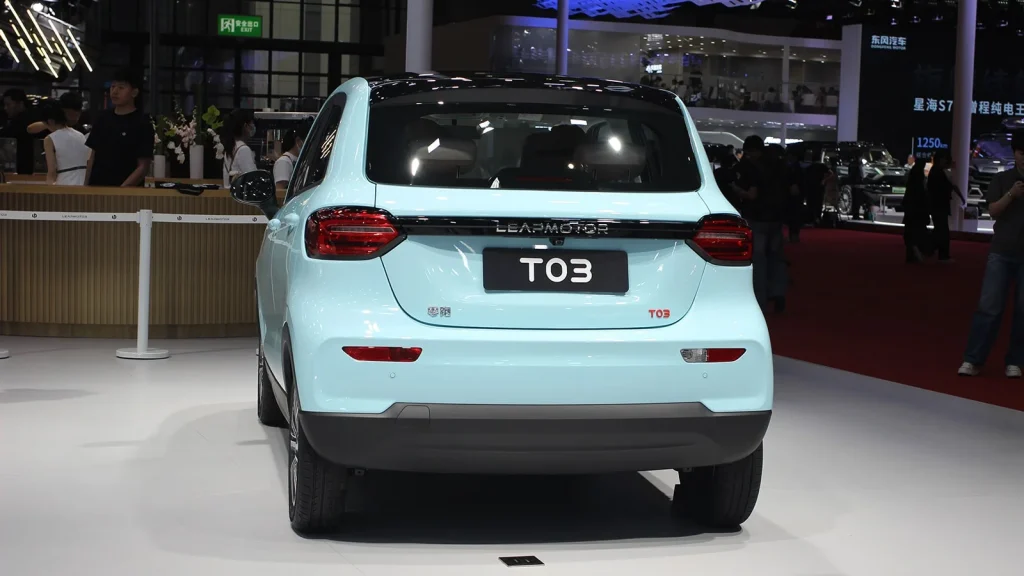
For instance, a Leapmotor T03 compact EV priced at RMB 80,000 would only qualify for RMB 9,600 in central subsidies next year compared to the full RMB 20,000 it received this year. This adjustment is expected to negatively impact automakers like BYD and Geely Auto, who dominate China’s mid-to-low-end vehicle segment.
Frequently Asked Questions
How will the subsidy changes affect retail sales?
The analysts predict a temporary boost in January 2026 as partially suppressed demand is released. However, this growth won’t sustain long-term due to reduced subsidies for affordable models.
What’s the rationale behind favoring higher-priced vehicles?
The reasoning is that high-end cars often come with advanced technology and materials, which drives innovation within the industry. This approach aims at encouraging automakers to focus on premium segments where profitability tends to be higher.
In conclusion, while these changes might seem harsh for budget-friendly brands, they could push Chinese automakers towards more innovative products in the long run. It’s a bit like how muscle cars of yesteryear paved way for today’s supercars—evolution through necessity.
