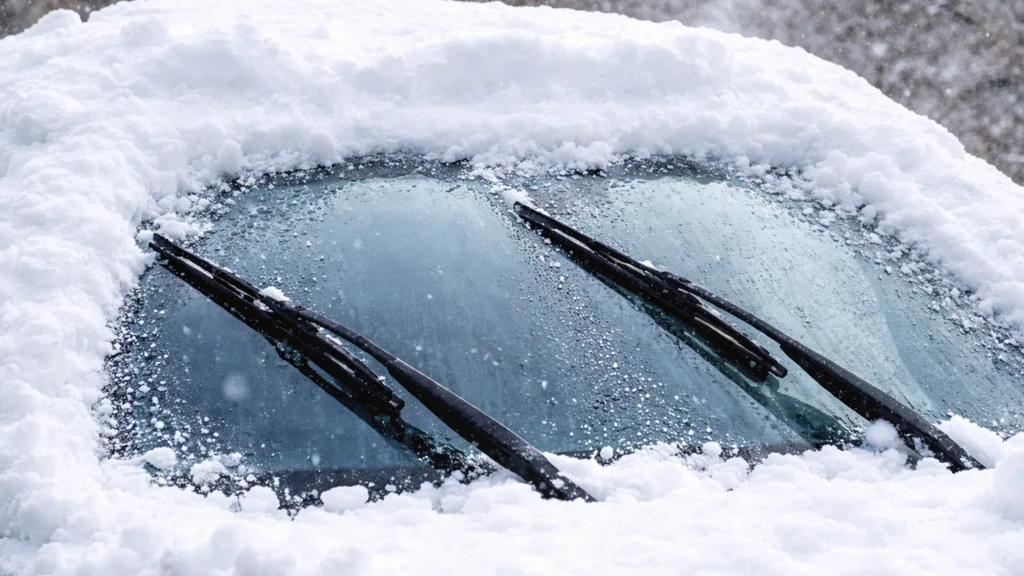
Winter in New Jersey brings more than just snow and ice; it also means drivers need to brush up on their legal responsibilities. A law that dates back nearly three decades requires all vehicles to be free of snow and ice before hitting the road, or face fines starting at $25 but potentially jumping to as high as $1,000 if an accident occurs.
Key Takeaways
- New Jersey drivers must clear all snow from vehicles before driving.
- Fines start at $25 and can reach up to $1,000 for accidents caused by uncleared ice or snow.
- The law was enacted after a tragic accident in 1996 that resulted in a driver’s death due to flying debris.
And while the mandate might seem obvious today, it wasn’t always so clear-cut. In February of 1996, Michael Eastman died from injuries sustained when ice flew off another vehicle and shattered his windshield as he drove home. His widow Cathy’s tireless advocacy led to this law being passed.
But why is clearing snow such a big deal? It’s not just about visibility; it’s also crucial for safety. Snow that remains on the roof of your car can become dangerous projectiles at highway speeds, posing risks similar to those posed by flying rocks or debris from an improperly secured load.
The law applies broadly across all vehicle types but hits commercial drivers harder with fines up to $1,500 if their vehicles are involved in accidents due to uncleared snow. And while it’s easy to think of this as a modern regulation, similar concerns over road safety and the need for clear visibility have been around since the Model T days.
But even back then, cars were expected to be safe on winter roads, which meant keeping them clean and free from debris that could impair driving. Today’s regulations are just an updated version of this basic principle, ensuring that modern vehicles aren’t turning into dangerous projectiles in snowy conditions.
Frequently Asked Questions
What happens if snow flies off my car and causes damage?
If your vehicle’s snow or ice contributes to an accident, you could face fines up to $1,000. In severe cases where injuries result from the incident, penalties increase.
Do I need to clear all parts of my car?
Yes, according to New Jersey law, drivers must remove snow and ice not just from windows but also from the roof, hood, trunk, and any other part that could potentially become a hazard.
In conclusion, while it might seem like an overreach at first glance, this regulation serves as a reminder of how far we’ve come in terms of vehicle safety. From Model Ts to modern SUVs, the basics remain the same: keep your car clear and safe for everyone on the road.
