January 1, 2026 marks the end of ALPINA’s independent operation as it officially becomes part of the BMW Group. The Bovensiepen family’s tuning house turned into a respected carmaker over six decades.
Key Takeaways
- The ALPINA brand, founded in 1965, is now under BMW ownership after a multi-year transition period.
- Famous for its high-performance vehicles like the B10 Bi-Turbo sedan and B7 V8 Gran Coupe, ALPINA will continue as a standalone luxury performance division within BMW.
- ALPINA cars were known for their unique engineering approach that refined existing models rather than just making them faster.
The transition to BMW ownership began in 2022 but allowed the brand to operate independently until January 1, 2026. ALPINA’s legacy includes iconic vehicles like the B7 V8 Gran Coupe and B5 Biturbo Coupé that defined its philosophy of refinement over raw speed.
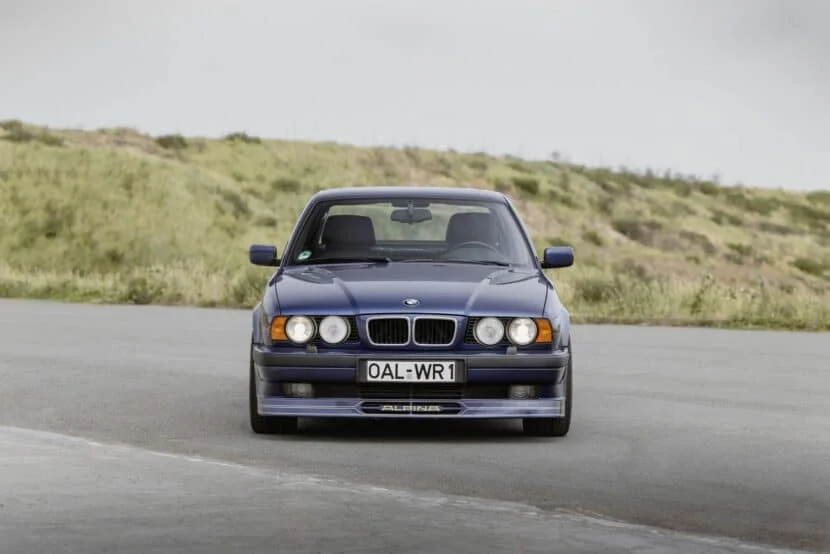
ALPINA’s most notable car is the B10 Bi-Turbo (E34), which was introduced in 1989 as a modified BMW 5 Series. It boasted impressive performance figures, including a top speed exceeding 290 km/h and an acceleration time of just 5.6 seconds from 0-100 km/h.
ALPINA’s approach to engineering was unique in that it didn’t solely focus on making cars faster but rather more refined and suited for everyday use, setting them apart from BMW’s M Division models which often emphasize track performance over practicality.
Frequently Asked Questions
When did ALPINA become part of the BMW Group?
The official transfer occurred on January 1, 2026, after a multi-year transition period that began when BMW acquired ALPINA in March 2022.
What makes ALPINA cars unique compared to other high-performance vehicles?
ALPINA focused on refining existing models rather than just making them faster. This approach resulted in more practical, refined cars that were often better suited for everyday driving.
The integration of ALPINA into BMW Group marks a significant shift but also promises to maintain the brand’s legacy and unique identity within luxury performance vehicles.
