The automotive industry is moving towards a future where automation plays a pivotal role in reducing carbon emissions. At Rockwell Automation’s 2025 Automation Fair, experts from various sectors discussed how advanced control systems and digital traceability are reshaping manufacturing processes to be more sustainable. The panel, moderated by Stan Miller, highlighted that automation isn’t just a tool but the backbone of decarbonization efforts.
Bolder Industries showcased their innovative approach to dealing with scrap tires, turning them into valuable feedstocks like recovered carbon black and circular oils through depolymerization. This process not only reduces waste but also creates new raw materials for industries that require high-quality inputs.
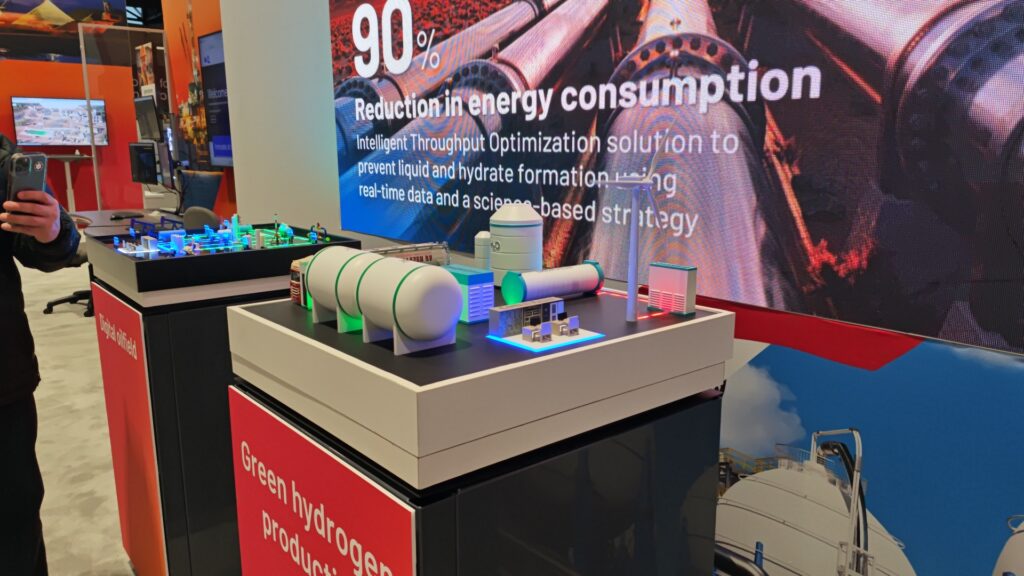
Utility Global’s COO Derek Kramer presented a cost-effective method of producing clean hydrogen from industrial waste gases. Clean hydrogen production is becoming increasingly important due to stringent regulations and rising carbon-intensity scores, especially in Europe and Asia where financial penalties are linked to emissions levels. The company’s electrochemical module can help facilities lower their scope 1 through scope 3 emissions while ensuring economic viability.
Another key speaker was Circulor’s commercial operations director Bill Zierolf who explained how digital traceability is being used across critical mineral and battery supply chains to meet growing disclosure requirements. This technology helps companies ensure regulatory compliance, providing transparency in their sourcing practices.
The discussion underscored the importance of overcoming technical and economic challenges when implementing new technologies such as clean hydrogen production. Automated control systems play a crucial role by ensuring efficiency and stability during the production process, which is essential for achieving both cost and carbon benchmarks.
