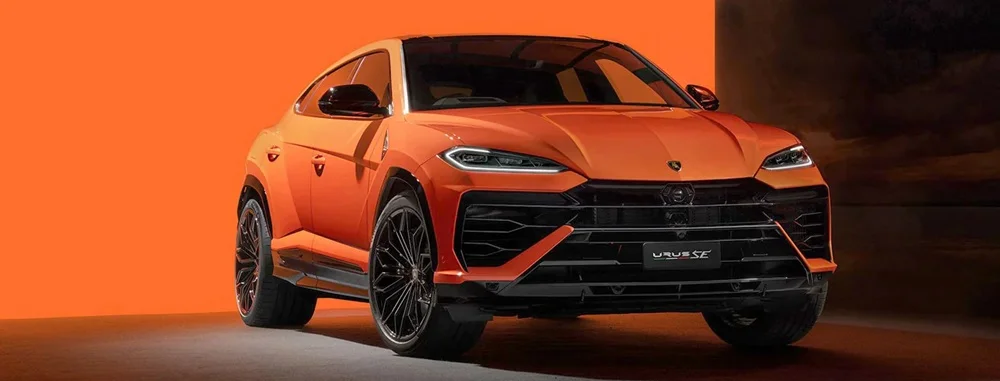
These five luxury and performance vehicles stand out for their high real-world fuel consumption, far exceeding the EPA estimates. The Lamborghini Urus Performante leads with an average of just 10 to 12 mpg.
Key Takeaways
- Lamborghini Urus Performante tops list at 10-12 mpg real-world consumption
- Dodge Durango SRT Hellcat and Mercedes-AMG G63 follow with similar high fuel use
- Premium SUVs like Land Rover Range Rover SV also struggle, averaging around 13 to 15 mpg
Despite their hefty price tags—ranging from $95,995 for the Dodge Durango SRT Hellcat up to $260,000 for the Lamborghini Urus Performante—these vehicles offer impressive power and luxury but come with significant operational costs.
The Lamborghini Urus Performante’s twin-turbo V8 engine generates 657 horsepower. However, its massive weight of 4,800 lbs and aggressive aerodynamics result in a poor fuel economy of just 10 to 12 mpg on average. This is far below the EPA estimates.
The Dodge Durango SRT Hellcat isn’t far behind with an engine that produces 710 horsepower from its supercharged V8, achieving only 11-13 mpg in real-world driving conditions. Its larger size and brute power make it inefficient on city streets.
Mercedes-Benz’s AMG G63 offers a striking blend of off-road capability and luxury but pays heavily for this with fuel consumption averaging just 12 to 14 mpg due to its heavy weight and aerodynamic design penalties. The car’s powerful V8 biturbo engine delivers an impressive 577 horsepower.
Frequently Asked Questions
Which vehicle has the worst fuel economy?
The Lamborghini Urus Performante leads with a real-world average of only 10 to 12 mpg, making it the least efficient among these top five.
Aren’t electric vehicles more expensive than gas guzzlers?
No. While high-end EVs can be pricey upfront, they often have lower operational costs due to reduced fuel expenses and maintenance needs compared to their gasoline counterparts.
As the market moves towards greater efficiency with hybrids and electrics, these powerful SUVs remain a costly proposition for owners in terms of ongoing fuel consumption.
