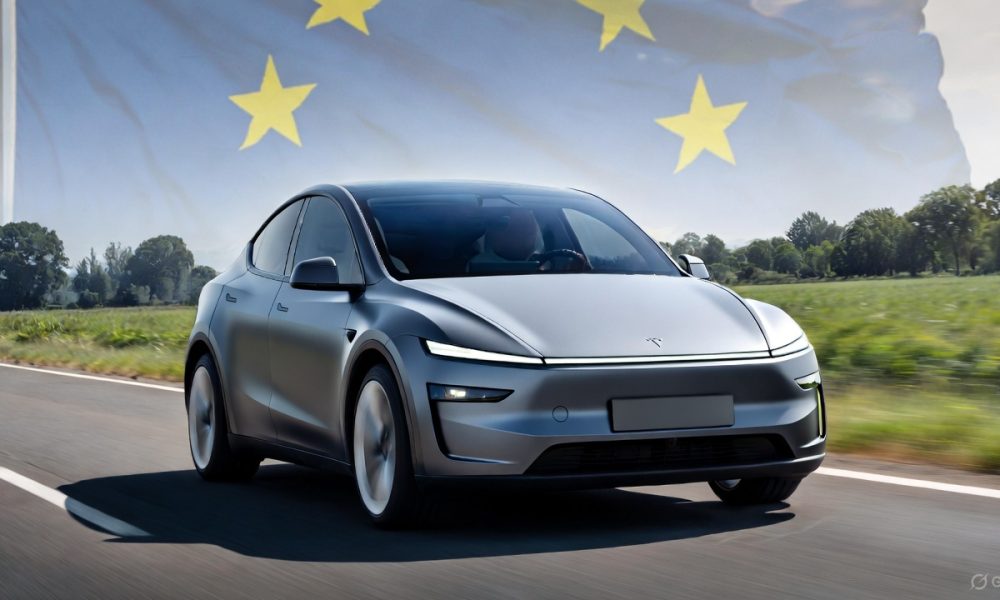
Tesla has announced a major milestone in its ambitious plan to bring Full Self-Driving (FSD) capabilities to European roads, with an official target set for early 2026. The company’s announcement comes as a result of extensive collaboration with Dutch regulatory body RDW, which will play a pivotal role in granting the necessary exemptions.
Over the past year, Tesla has been engaging closely with various EU authorities to demonstrate the safety and reliability of its FSD technology. This includes conducting over one million kilometers of testing across 17 European countries, gathering extensive data to support their case for regulatory approval. The company’s efforts have not only focused on showcasing technical capabilities but also addressing specific regulations that may pose challenges.
As we reported earlier this year, Tesla faces significant hurdles in aligning its FSD technology with current EU regulations. For instance, certain behaviors such as hands-off lane changes and Level 2 operations are currently unregulated or restricted under existing frameworks. To overcome these obstacles, Tesla is working on obtaining exemptions from the RDW to allow for a phased introduction of advanced features.
One of the critical steps towards this goal involves securing national approval in the Netherlands by February 2026. This Dutch exemption could act as a precedent for other EU countries to follow suit and adopt similar measures, thereby facilitating a broader rollout across Europe. The company’s approach here mirrors their strategy in regions like California where regulatory flexibility has been key.
In addition to technical challenges, Tesla must navigate complex bureaucratic processes that are unique to each European nation. Our previous analysis highlighted the importance of RDW’s role in this process and how its decision could set a precedent for other countries. As such, Tesla is advocating for rule changes where necessary while also making sure not to compromise on safety.
Tesla’s push into Europe with FSD reflects a broader trend among automakers looking to expand their presence in the region as electric vehicles become more prevalent. This includes competition from both established players like BMW and newcomers such as Xiaomi, all vying for market share amidst growing demand for advanced driver assistance systems.
