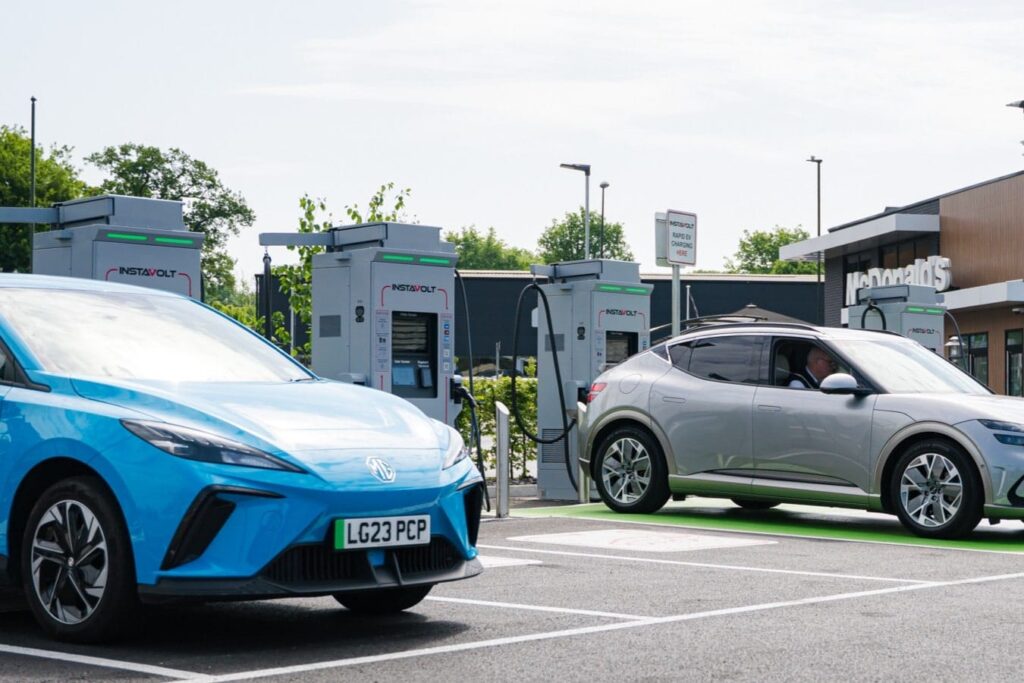
The British government is considering significant changes to electric vehicle (EV) incentives, aiming to inject an additional £1.3 billion into subsidies for new EV purchases while also proposing a per-mile tax on all-electric vehicles starting from 2028. This move comes as the government looks to address concerns over revenue loss due to declining fuel duty payments.
According to leaked information, this week’s budget announcement will detail plans to extend EV subsidies until 2030 and introduce a consultation period for the proposed distance-based tax on electric cars. The new tax is expected to generate around £375 million annually for the Treasury, mirroring current fuel duties that petrol and diesel vehicles face.
Industry insiders argue that these changes are necessary as EV sales in the UK have not been growing at the pace required under the Zero Emission Vehicle (ZEV) mandate. In a bid to stimulate market growth, the government has already relaxed the ZEV rules for manufacturers this year and is now seeking further measures to support the transition.
The proposed subsidy boost comes amidst efforts to increase charging infrastructure across the country, with an additional £200 million allocated specifically towards building more public charging stations. This investment will help address one of the key challenges facing EV adoption: range anxiety among potential buyers.
However, industry experts and consumer groups are divided on whether a per-mile tax is a fair solution to fund road maintenance and other services traditionally funded by fuel taxes. Some argue it could discourage people from switching to electric vehicles at a time when the government is pushing for greater uptake of cleaner technology.
