Electric vehicle owners in Australia are feeling the pinch as real-world driving ranges fall short of what manufacturers promise. The Australian Automobile Association’s latest tests reveal that four new models, including Tesla and Kia vehicles, don’t quite hit their advertised mileages.
Key Takeaways
- The 2025 Kia EV3 fell short by 11%, while the MG4 dropped a whopping 31% in real-world driving conditions compared to lab tests.
- Tesla’s Model Y performed relatively well, only dropping 3% from its advertised range of 466 kilometers.
- BYD Atto 3 and Tesla Model 3 also showed discrepancies between their claimed ranges and what drivers can achieve on the road.
The AAA’s real-world testing program is shedding light on how EVs perform in everyday driving scenarios. It’s not just about battery capacity; it’s about how efficient that power is when you’re out there, battling traffic or dealing with unpredictable weather conditions.
One of the biggest offenders was the MG4, which boasted a lab range of 405 kilometers but could only manage 281 kilometers in real-world driving. That’s nearly a third less than what buyers were expecting based on manufacturer claims!
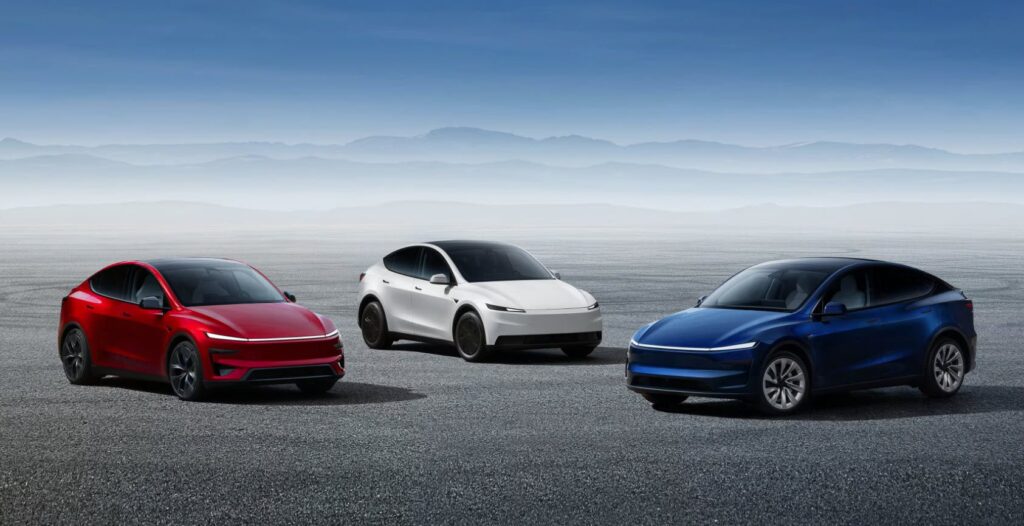
Tesla’s Model Y showed more consistent performance with just a 3% drop from its advertised figures, landing at around 450 kilometers. But even that is concerning for drivers who might be counting every kilometer in their daily commute.
Frequently Asked Questions
Why are the real-world ranges lower than advertised?
The difference lies in how cars perform under ideal lab conditions versus everyday driving. Factors like traffic, weather, and driver behavior all impact range.
What does this mean for EV buyers?
It means that potential buyers should approach advertised ranges with a bit of skepticism. It’s wise to consider the worst-case scenario when planning long trips or daily commutes.
The AAA’s findings highlight the importance of realistic expectations and careful consideration before making an electric vehicle purchase. As we continue to embrace eco-friendly technology, it’s crucial for manufacturers to align their claims with what drivers actually experience on the road every day.
