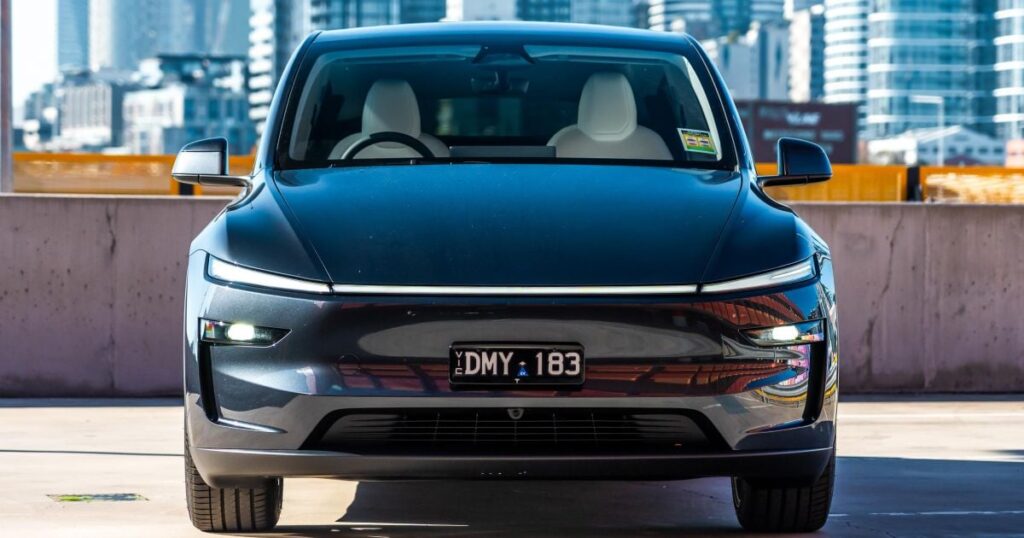
The BYD Atto 3, a mid-size electric SUV competing in the crowded market of Tesla Model Y rivals, has made its debut in Australia. However, unlike other models from the Chinese automaker, this latest offering does not include the brand’s signature rotating infotainment screen, marking a significant departure from previous designs.
Key Takeaways
- The BYD Atto 3 is Australia’s cheapest electric SUV without a rotating touchscreen.
- BYD is gradually phasing out the rotating infotainment screen feature across its lineup.
- This change may indicate a shift towards more conventional designs to appeal to broader consumer preferences.
The BYD Atto 3, priced at $40,990 AUD before government incentives, positions itself as an affordable option in the growing segment of mid-size electric SUVs. This price point is particularly noteworthy given its competitive positioning against established models such as the Tesla Model Y and newer entrants from other manufacturers.
The decision to omit the rotating infotainment screen marks a notable change for BYD, which has been known for this unique feature since introducing it in 2013 with the Qin model. The company’s rationale behind this move is likely driven by market research indicating that many consumers prefer simpler and more conventional designs.
Despite the omission of the rotating screen, the Atto 3 retains a suite of advanced features including an 12.8-inch fixed touchscreen, dual-zone climate control, and a range of up to 450 kilometers on a single charge, making it a compelling option for those seeking value in the electric vehicle market.
Frequently Asked Questions
Is the rotating infotainment screen still available in other BYD models?
No, BYD is gradually discontinuing this feature across its lineup as it looks to streamline production and align with current market trends.
How does the Atto 3 compare in price to competitors like the Tesla Model Y?
The Atto 3 is priced lower than many of its electric SUV rivals, including the Tesla Model Y. However, it offers fewer high-end features compared to more expensive models.
As BYD continues to expand its presence in global markets, the decision to phase out the rotating infotainment screen represents a strategic move towards broader market appeal and cost-effectiveness.
