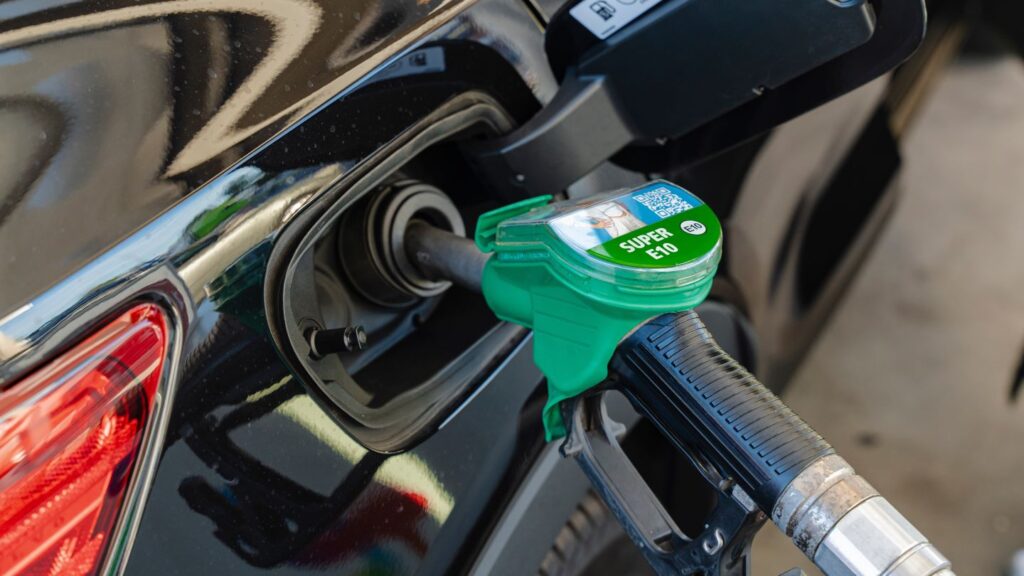
The European campaign group Transport & Environment (T&E) is urging the European Commission not to give in to pressure from car manufacturers and allow the continued use of biofuels in new cars after 2035. As electric vehicles take center stage, T&E argues that these fuels are scarce, largely imported, and far from carbon-neutral.
Key Takeaways
- T&E calls for the EU to reject carmakers’ push for biofuels beyond 2035.
- The group claims that such fuels are scarce, imported, and not genuinely carbon-neutral.
- The European Commission is set to present measures on December 10th regarding automotive sector regulations.
Under current EU rules, all new cars registered from 2035 must produce zero carbon dioxide emissions. This move aims at accelerating the shift towards battery-electric vehicles and phasing out fossil fuels and conventional internal combustion engines. However, car manufacturers are lobbying for an exemption that would permit internal combustion engines to run on what they describe as ‘carbon-neutral’ biofuels.
T&E’s latest report highlights changes made in 2018 which curbed the use of crop-based biofuels derived from feedstocks like palm oil and soy. These reforms prioritized waste-based inputs such as used cooking oil and animal fats, now accounting for around half of bio-based diesel used within the EU.
Despite these changes, T&E points out that roughly 60% of all biofuels and 80% of used cooking oil in the EU are imported from outside the region, predominantly from Asian markets. This reliance on foreign sources raises concerns about sustainability and carbon neutrality.
The European Commission is expected to present a package of measures for the automotive sector on December 10th, which could include decisions regarding biofuels beyond 2035. As electric vehicles become more prevalent and affordable, the debate around biofuels highlights the complex challenges in transitioning to cleaner transportation.
Frequently Asked Questions
What does T&E say about imported biofuels?
T&E argues that importing biofuels from outside Europe undermines efforts towards carbon neutrality and sustainability. With 60% of all biofuels and 80% of used cooking oil coming from abroad, the group is concerned about the environmental impact.
What changes are expected in EU automotive regulations?
The European Commission will present new measures on December 10th regarding the automotive sector. These could include rules around biofuels and their use beyond 2035, as car manufacturers push for exemptions while environmental groups advocate stricter standards.
As Europe moves towards a greener future with electric vehicles, the debate over biofuels highlights the complexities in balancing economic interests with environmental goals. The upcoming EU measures will be crucial in shaping the automotive landscape beyond 2035.
