Automakers in the U.S. and Europe are scrambling to find alternatives to rare earth metals, which are crucial for electric car motors but heavily controlled by China. This scramble is driven by fears of supply chain disruptions and geopolitical tensions that could stifle the global shift towards EVs.
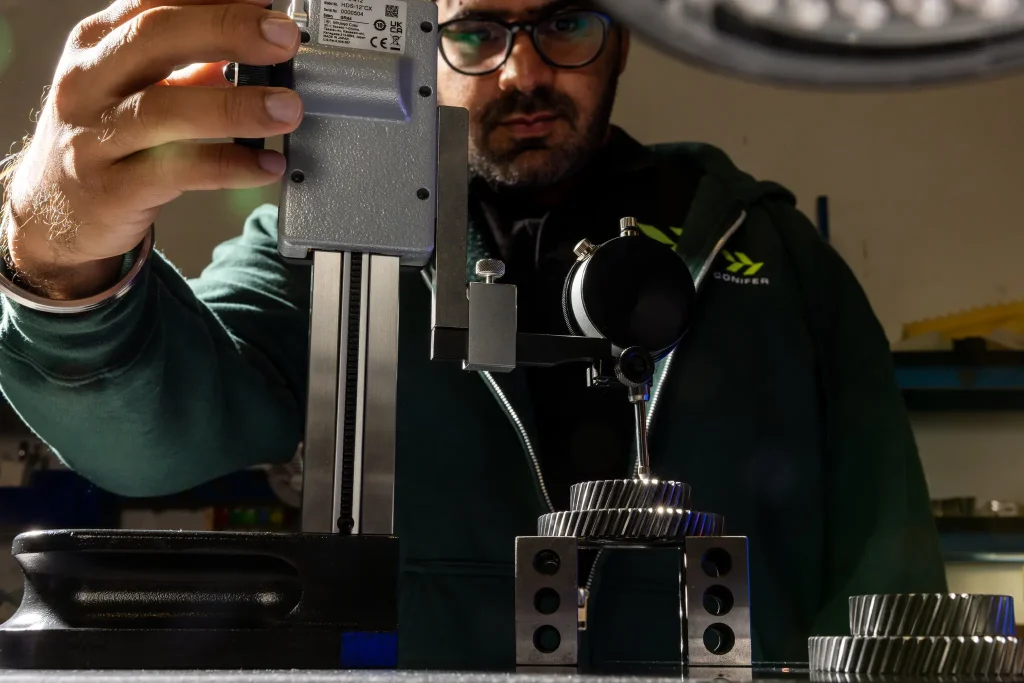
Engineers at startups like Conifer in California are developing motors without using rare earth materials such as neodymium, dysprosium, and terbium, which have become critical components for electric vehicle production. These elements can be manipulated by China’s export policies, creating significant risks for automakers relying heavily on Chinese supplies.
BMW is one company that has already made progress in this area, having introduced rare earth-free motors in some of its models. Other companies are looking into innovative materials and technologies to replace or reduce reliance on these essential elements. However, the transition won’t happen overnight, as many alternatives currently under development come with their own set of challenges, including cost and performance issues.
The Department of Energy is also lending support to research aimed at finding rare earth substitutes, even while other forms of government assistance for electric vehicles may be scaling back due to policy changes. Researchers are exploring everything from synthetic materials to the use of meteorite-based elements that might offer magnetic properties comparable to those of rare earths.
Despite these efforts, automakers remain highly susceptible to disruptions in the supply chain and could face significant production setbacks if China tightens its grip on rare earth exports further. The urgency is growing as car manufacturers worldwide look for ways to ensure their EV future isn’t held hostage by geopolitical conflicts over resources.
