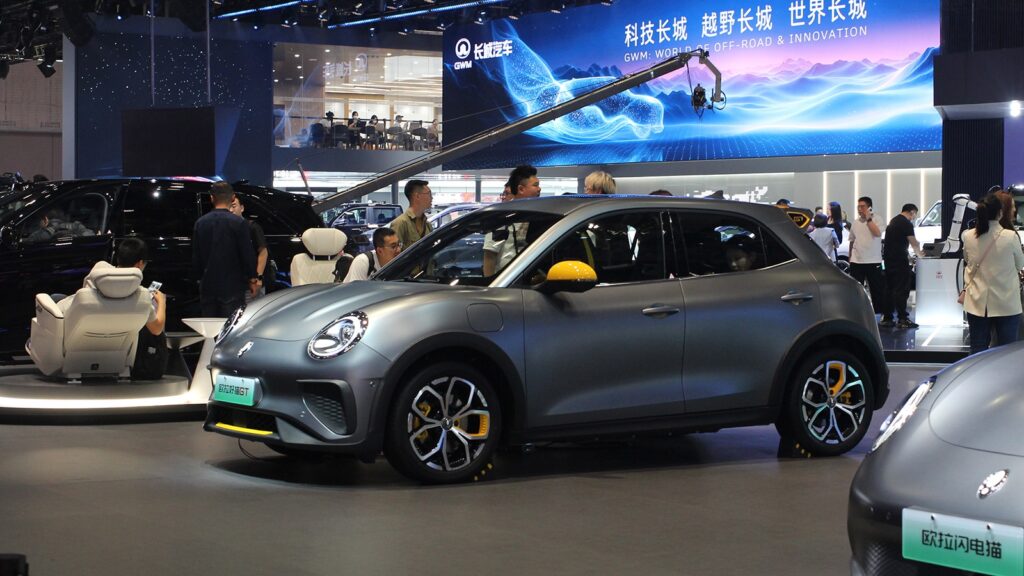
The latest data from the China Passenger Car Association (CPCA) reveals that new energy vehicle (NEV) retail sales in China grew by a modest 7% year-on-year to reach 1.354 million units last month, despite ongoing adjustments to trade-in subsidies.
Key Takeaways
- New energy vehicle (NEV) retail sales in November were up by 7% compared to the same period a year ago.
- The NEV market saw a slowdown as consumers waited for further subsidy adjustments.
- Total passenger car retail sales dipped slightly, but NEVs continued their strong growth trajectory.
Despite the positive numbers, it’s clear that November wasn’t quite what the industry hoped for. The CPCA noted that trade-in subsidies are phasing out in many provinces, leading to a wait-and-see attitude among consumers.
The year-to-date figures paint an even more encouraging picture with NEV sales totaling 11.5 million units, marking a significant 20% increase from the same period last year. This growth is impressive considering the challenges faced by automakers and buyers alike.
Wholesale numbers also showed strength, reaching 1.72 million units in November—a 20% jump compared to the previous year. Year-to-date wholesale sales hit a staggering 13.78 million units, reflecting how important NEVs are becoming for manufacturers’ overall performance.
The broader passenger vehicle market saw some softening with total retail sales at 2.263 million units in November—down from last year but still up slightly compared to October. This suggests that while the traditional car segment is facing headwinds, EVs and hybrids are powering ahead.
Frequently Asked Questions
Why did NEV sales grow despite overall market softness?
The growth in new energy vehicle (NEV) retail sales is driven by government support, consumer preference shifts towards more environmentally friendly options, and advancements in technology that make these vehicles increasingly attractive.
What impact will the phase-out of trade-in subsidies have?
The phasing out of trade-in subsidies may lead to a short-term slowdown as consumers wait for new incentives or better deals. However, long term trends suggest that NEVs are becoming more affordable and desirable regardless.
As we look ahead into 2026, it’s clear the future is bright but not without challenges. The continued growth of China’s NEV market will depend on how well manufacturers adapt to evolving consumer needs and government policies.
