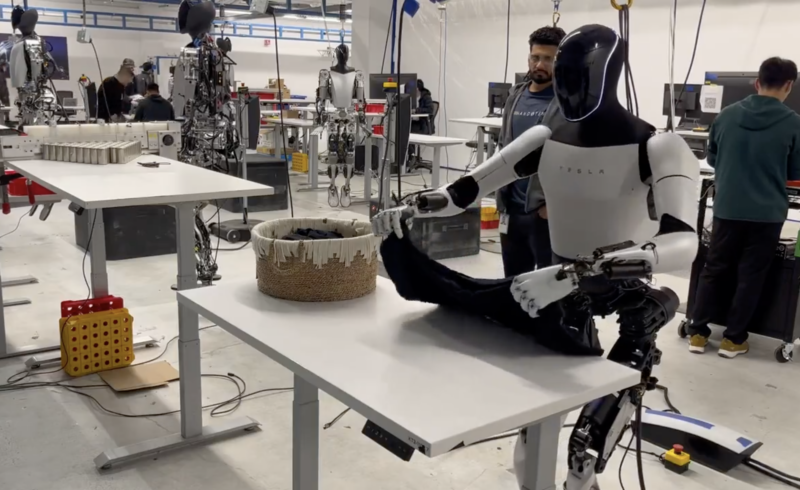
As the electric vehicle market in China faces challenges due to fierce competition and unsustainable pricing strategies, another tech sector is heating up: humanoid robots. According to Bloomberg, over 150 Chinese companies have entered this space, with government officials now cautioning against a potential bubble.
Key Takeaways
- Over 150 Chinese firms are developing humanoid robots, aiming for market dominance in the next five years.
- The National Development and Reform Commission warns of over-saturation and potential economic risks.
- Chinese companies see these robots as a catalyst for future innovation and economic growth.
In an effort to stay ahead of global competitors like Elon Musk’s ambitious projects, Chinese firms are racing to develop humanoid robots. The government’s National Development and Reform Commission has issued guidelines to prevent the market from becoming flooded with subpar products, which could undermine genuine research efforts and economic stability.
China sees humanoid robotics as a key area for future technological advancement and economic growth. However, many companies entering this space are doing so without clear profit models or sustainable business strategies, mirroring earlier issues seen in the electric vehicle sector where firms sold vehicles below cost to gain market share.
The central government’s approach is not to pick winners but to set a competitive playing field, allowing companies to battle it out for dominance. This strategy has led to intense competition and challenges such as overproduction and financial strain on smaller players who cannot sustain aggressive pricing tactics indefinitely.
Frequently Asked Questions
What is the government’s role in regulating the humanoid robot market?
The National Development and Reform Commission aims to prevent over-saturation by issuing guidelines that encourage high-quality research and development, ensuring the long-term health of the industry.
Why are so many companies rushing into humanoid robotics?
Firms see this as a strategic move to capture emerging markets and technological advancements before competitors do, similar to how China dominated the electric vehicle market by quickly responding to global trends.
The rapid influx of Chinese firms into the humanoid robot space is reminiscent of earlier tech booms in areas like EVs. While it promises exciting innovations, there are also concerns about a potential bubble that could burst if not managed carefully.
