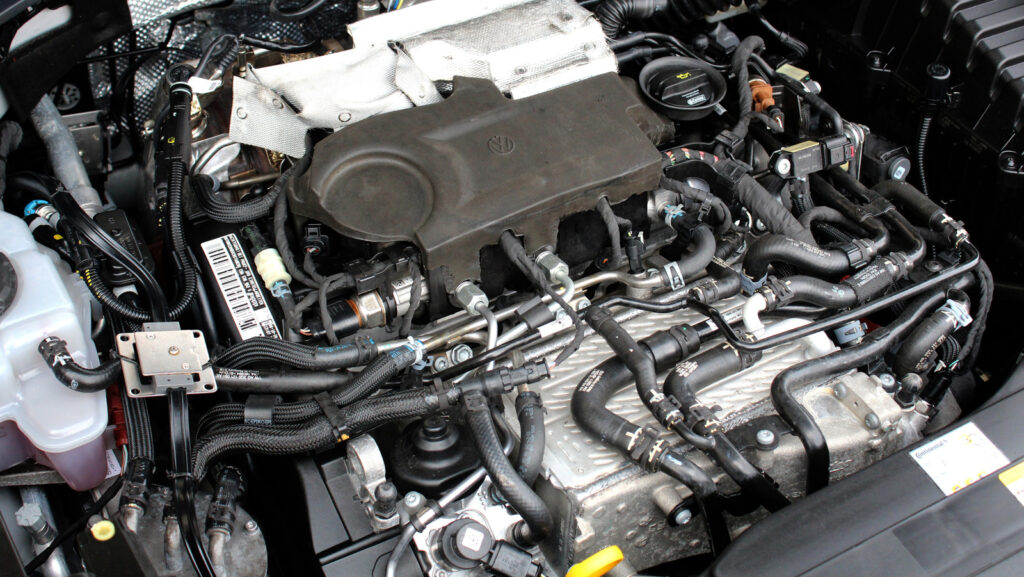
Diesel engines are still a reliable choice for many drivers, especially those who value torque and efficiency. However, despite their durability, diesel engines can face serious issues if not properly maintained. One of the most critical mistakes is neglecting oil changes, which can lead to sludge buildup and overheating.
The right type of oil is crucial for diesel vehicles because these engines operate under higher compression than gasoline engines. Diesel-specific oils contain additives that help reduce wear and prevent soot build-up. Using the wrong kind of oil could damage the engine’s internal components, such as the catalytic converter and Diesel Particulate Filter (DPF).
Keeping the cooling system in check is another must for diesel owners. Since these engines generate more heat than gasoline ones, maintaining a well-functioning coolant system is vital. This means checking the coolant level regularly and flushing the system according to the manufacturer’s recommendations. A poorly maintained cooling system can lead to engine failure.
Another common pitfall involves fuel quality and storage. Poorly stored or low-quality diesel can contain contaminants that can harm your vehicle, especially in terms of fuel injectors and filters. Water is a particular concern as it can enter the tank during refueling, leading to corrosion and other issues.
In conclusion, while diesel engines offer exceptional performance and reliability for heavy-duty work like towing and hauling materials, proper maintenance is crucial for longevity. Regular oil changes, using the correct coolant, and ensuring high-quality fuel are just a few of the steps necessary to keep your diesel running smoothly. Neglecting these basics can lead to significant problems down the line.
