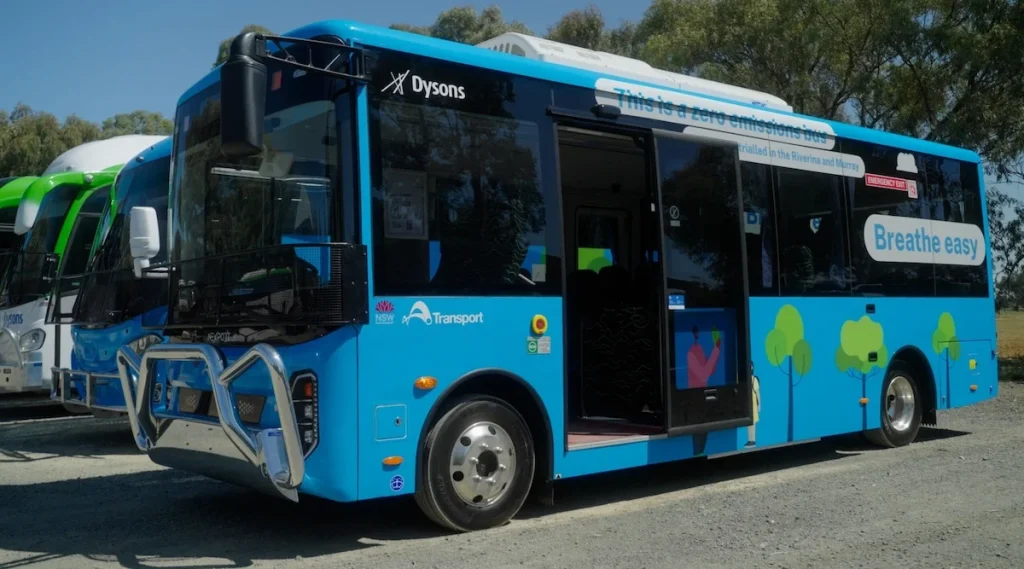
Transport for New South Wales has announced that electric buses have proven their worth through regional trials, covering over 300,000 kilometers and saving more than 200 tonnes of carbon emissions. This success is a major step toward the state’s goal of achieving net-zero transport by 2050.
Key Takeaways
- The trial electric buses traveled over 300,000 kilometers in just under two years.
- Electric buses saved more than 200 tonnes of carbon emissions compared to diesel and compressed natural gas vehicles.
- The use of regenerative braking technology significantly reduced operating costs for the trial buses.
Imagine driving an electric bus through varied landscapes, from rugged hills to smooth city streets. The results are in: these green giants have not only tackled diverse terrains but also saved a ton—literally—in carbon emissions and operational expenses. Who would’ve thought that slowing down could actually save money?
The trial buses operated across five regions of New South Wales, each with its unique challenges. From Armidale’s winding roads to Deniliquin’s flat plains, these electric vehicles showed they can handle it all. And guess what? They did so while leaving a smaller carbon footprint than their diesel counterparts.
One standout feature is regenerative braking. This technology captures energy that would normally be wasted when the bus slows down or goes downhill and turns it into savings on fuel costs. It’s like catching rain in a bucket instead of letting it go to waste!
The success story doesn’t stop there. The data collected will inform future decisions about expanding zero-emission fleets across more routes, making our skies clearer for generations to come.
Frequently Asked Questions
How much did the trial cost?
The exact financial details weren’t released by Transport NSW. However, we know it’s part of a multi-billion-dollar program to transition thousands of buses from diesel and compressed natural gas.
When will more electric buses be rolled out?
Based on the success of this trial, expect to see an increase in zero-emission bus routes as data is analyzed. Transport NSW aims for a net-zero fleet by 2035.
The future looks bright with these green machines leading the way! It’s not just about cleaner air; it’s also about smarter technology that saves money and resources, making sustainable transport more accessible to everyone.
