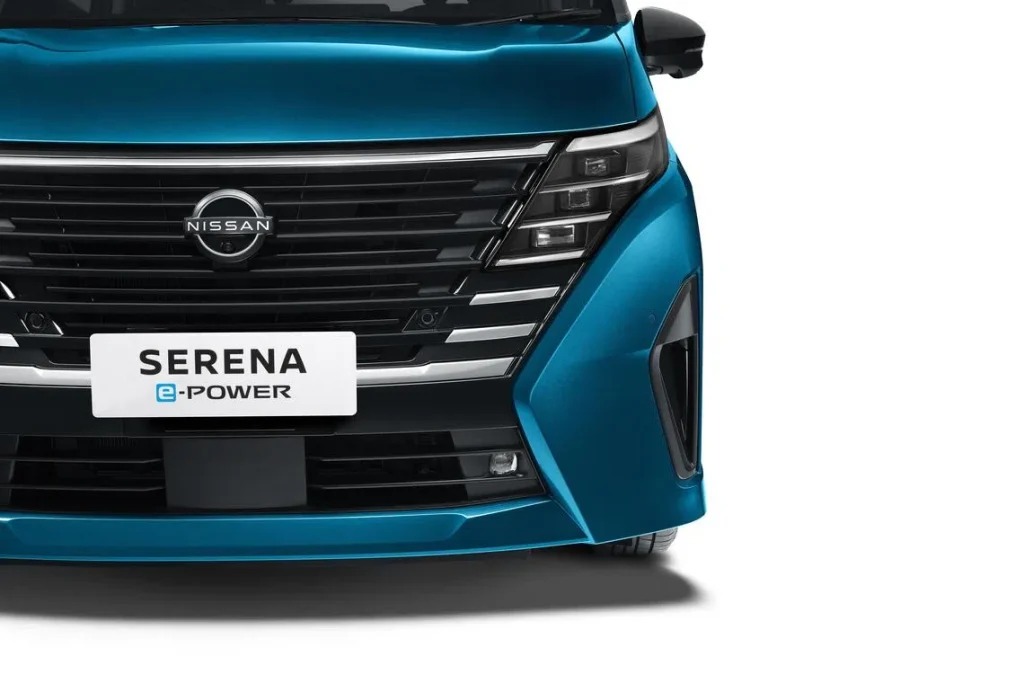
Are there electric vehicles (EVs) that do not rely on wall chargers for recharging their batteries? The answer is yes, and one such example is Nissan’s Serena e-Power. This vehicle uses an internal combustion engine to generate electricity rather than using a plug-in charging method.
The e-Power system works by having the onboard generator driven solely by the engine to produce electrical energy that charges the battery. The electric motor then powers the wheels, similar to any other EV on the market. However, unlike traditional hybrids where both engines and motors can drive the car directly, Nissan’s e-Power relies entirely on electricity generated from its gasoline-powered engine.
Besides the Nissan Serena, another notable example is the BMW i3 with range extender. This model uses an under-the-hood generator to produce additional charge for the battery when it’s running low, allowing the car to travel further before needing a full recharge at a charging station. Similarly, Mazda has also developed its MX-30 with a unique range-extending system powered by a compact rotary engine.
It’s worth noting that these vehicles offer characteristics closer to traditional EVs rather than hybrids due to their electric-only propulsion systems. Fuel-cell cars like those from Toyota and Hyundai represent another category of non-plug-in EVs, employing hydrogen fuel cells instead of internal combustion engines for electricity generation. These innovative technologies present a range of options beyond conventional plug-in charging methods.
