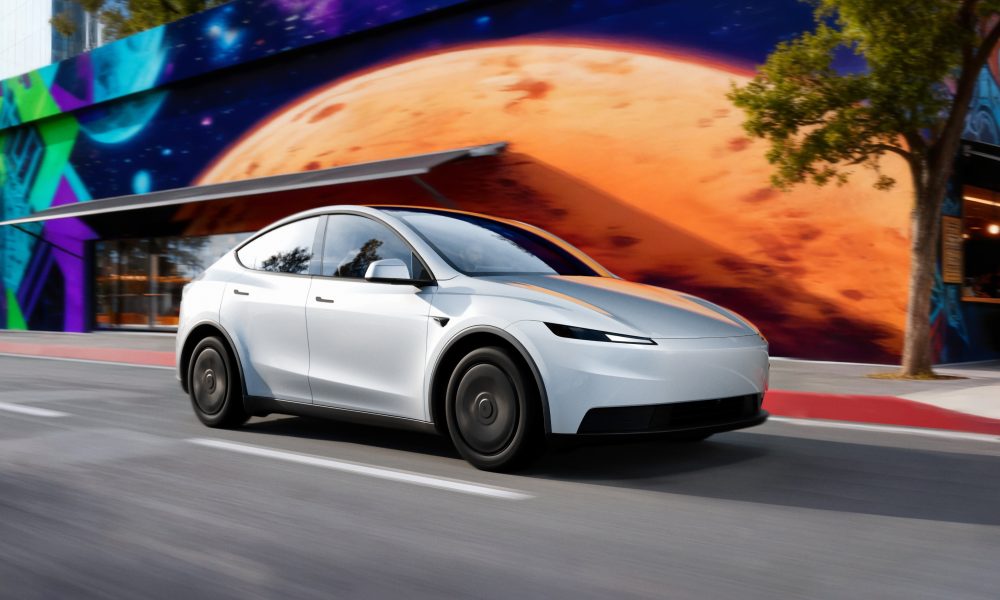
Tesla CEO Elon Musk recently took to social media platform X to warn traditional automakers like Ford, General Motors, and Stellantis about the dangers of ignoring Tesla’s Full Self-Driving (FSD) technology. According to Musk, these companies are reluctant to license FSD due to their own stringent requirements that make such collaboration unfeasible.
In a recent post, Musk highlighted the lack of enthusiasm from legacy automakers regarding FSD licensing. “I’ve tried to warn them and even offered to license Tesla’s Full Self-Driving suite, but they don’t want it! Crazy,” he declared. Analyst Rob Wertheimer of Melius Research echoed this sentiment earlier in a note that suggested Tesla stands to gain significantly from its technological prowess.
As we reported in our previous analysis on the state of electric vehicles (EVs), Ford has been one of the most aggressive traditional automakers in adopting EV technology, but recent challenges have forced them to scale back their plans. This shift may be indicative of a broader trend within the industry, where many companies are finding it difficult to match Tesla’s rapid advancements.
Musk believes that those who dismiss FSD now will face dire consequences in the future. “When legacy auto does occasionally reach out, they tepidly discuss implementing FSD for a tiny program in 5 years with unworkable requirements for Tesla, so pointless,” he remarked. This sentiment underscores the growing gap between Tesla and its competitors in terms of autonomy.
The reluctance to adopt FSD technology might seem perplexing given Tesla’s proven track record with self-driving features. However, as we have seen over the past few years, many established automakers are struggling to catch up with new players like XPeng and BYD in the electric vehicle market. This situation could very well mirror the challenges these companies face in the realm of full autonomy.
Despite the current hesitance from traditional automakers, Musk remains confident about Tesla’s future prospects. “They got started too late and are now playing catch-up with us,” he noted. While Ford has been a notable player in the electric vehicle space, as we reported earlier, their recent scaling back of EV efforts due to profitability issues and lackluster demand highlights the hurdles faced by legacy automakers.
