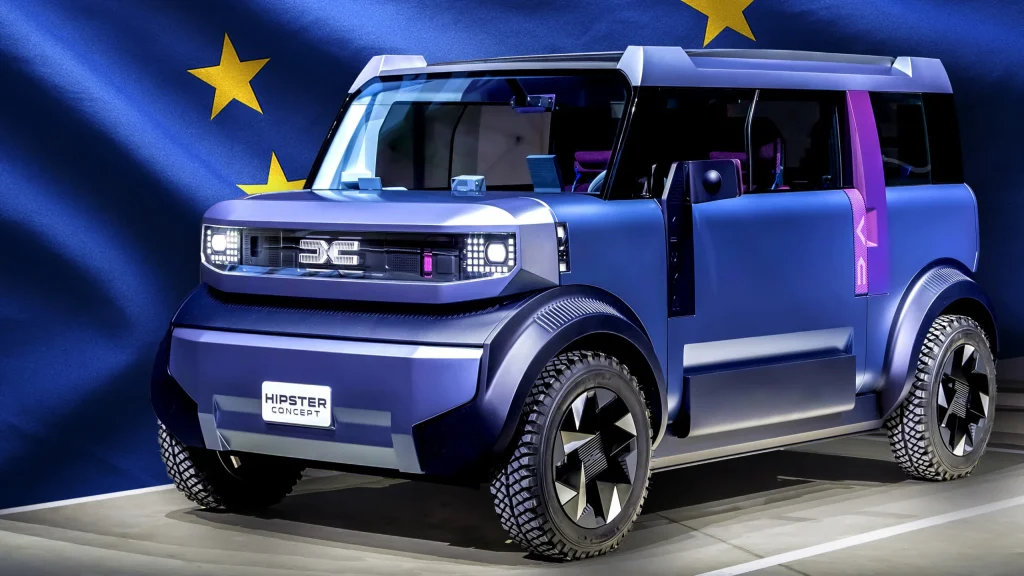
The European Union is reportedly mulling over a new proposal that would introduce an affordable electric vehicle (EV) category, dubbed “E cars,” aimed at slashing costs and enabling automakers to better compete against Chinese rivals.
Key Takeaways
- The EU could create a less stringent EV classification for smaller vehicles priced around €15,000-€20,000 ($17,500-$23,300).
- This category would likely remove some safety features currently mandated in Europe to reduce costs.
- European automakers like Stellantis and Volkswagen could benefit from this initiative as they already have small EVs in development or production.
The EU’s proposal for an E car class aims at offering a more affordable entry point into the electric vehicle market. By relaxing certain technical requirements, including safety features such as drowsiness detection systems and advanced driver assistance technologies, European automakers can potentially lower manufacturing costs by 10 to 20 percent.
Japanese kei cars could meet these proposed criteria without significant modifications, suggesting a potential export opportunity for Japanese manufacturers. However, the impact on vehicle safety remains an open question as some critical features may be excluded from this new category.
The proposal is still in its draft stage and faces considerable bureaucratic hurdles before becoming reality. If approved, it could take several years to see actual E cars hitting European roads. This timeline reflects the intricate regulatory processes involved with such significant changes to automotive standards.
European automakers are already racing against Chinese competitors who have been rapidly expanding their presence in Europe with affordable EV offerings. The introduction of this new category would provide a strategic advantage for established brands looking to maintain market share and attract budget-conscious consumers interested in electric mobility.
Frequently Asked Questions
Will E cars be less safe?
E cars will likely have fewer safety features compared to standard EVs, but the EU would still enforce basic requirements. It’s a trade-off between cost and comprehensive protection.
How soon can we expect these vehicles on sale?
The proposal is in its early stages, so it could take several years before E cars are actually available to consumers due to regulatory processes and manufacturing timelines.
In an effort to combat the growing influence of Chinese automakers in Europe’s EV market, the EU’s new car class initiative seeks to democratize access to electric vehicles. By making these vehicles more affordable and accessible, it aims to accelerate the transition towards cleaner transportation while supporting local manufacturers.
