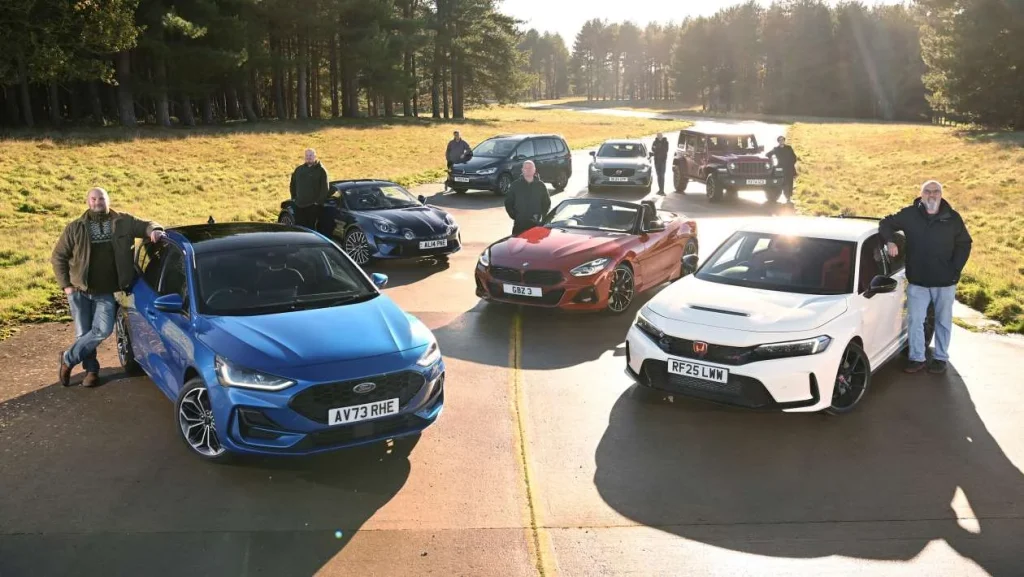
The Ford Focus, once a symbol of innovation and practicality in the automotive world, faces its end as car manufacturers pivot towards SUVs. With sales declining, it’s time for one last look at this iconic model.
Key Takeaways
- Ford Focus production will cease by 2026 due to shifting market demands
- SUV dominance in Europe means fewer hatchbacks like the Ford Focus are being produced
- The environmental regulations and fuel economy targets have impacted its viability
By 2025, SUV sales will make up about half of all new car purchases in Europe. This shift has forced manufacturers to focus on larger vehicles that cater to changing consumer preferences.
Despite being a class leader for nearly three decades, the Ford Focus’s impact is waning as it can’t compete with the practicality and perceived safety offered by SUVs. Its fuel efficiency also doesn’t meet upcoming regulatory standards like the Corporate Average Fuel Economy targets in Europe.
The decline of hatchbacks isn’t just about consumer choice; manufacturers are investing heavily into electric vehicles, which align more closely with the dimensions and weight profiles of SUVs rather than traditional compact cars.
With fewer new models on the market, used car prices for current Focus variants may rise. However, enthusiasts can still enjoy these cars while they’re available before their production ends in 2026.
Frequently Asked Questions
When will the Ford Focus stop being produced?
The last units of the current generation are expected to roll off assembly lines by late 2025 or early 2026.
Why is production ending now?
Ford must adapt its lineup to meet increasing demand for SUVs and comply with stricter environmental regulations, which the Focus can’t feasibly do without significant changes that aren’t economically viable.
The Ford Focus has left an indelible mark on automotive history. As it fades into memory, car enthusiasts will remember a model that once redefined what was possible in compact cars.
