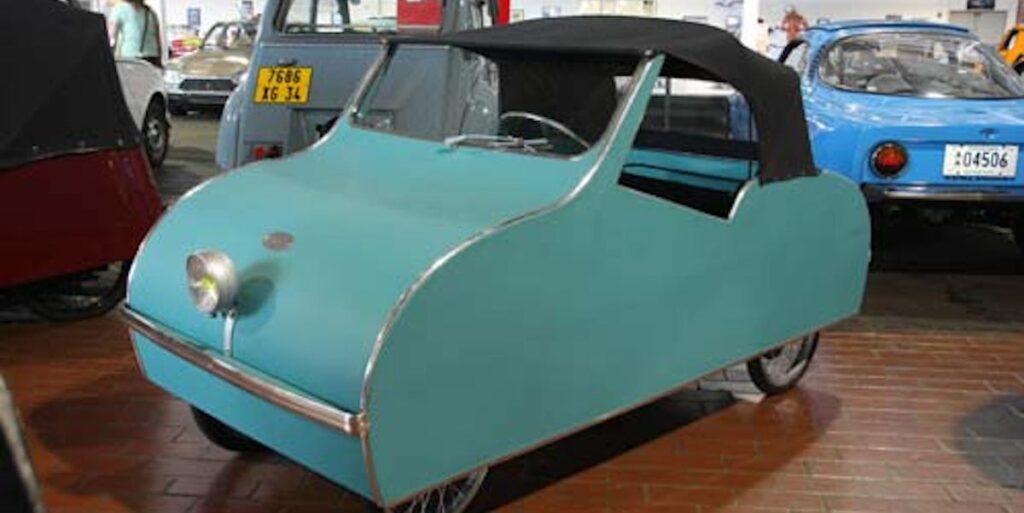
Microcars, the quirky and compact vehicles that dominated American roads in the mid-20th century, have largely been forgotten. However, these miniature marvels offer a unique glimpse into automotive history. From the Eshelman Adult Sports Car to other models like Crosley and King Midget, microcars were seen as practical second cars but struggled against the growing supply of used vehicles.
Key Takeaways
- The Eshelman ASC was one of the earliest microcars in America, produced from 1953 to 1961.
- Microcars were often powered by small engines like the Briggs & Stratton lawnmower motor and offered features such as cable-operated brakes and battery-powered lights.
- The popularity of microcars declined due to an oversupply of used cars, making them less attractive compared to second-hand options.
Microcars emerged in the post-war era when gasoline was expensive and car ownership was growing. The Eshelman ASC, for instance, promised 70 miles per gallon at a top speed of 35 mph, making it an appealing choice for budget-conscious consumers.
The Life magazine ad from 1955 highlighted the ASC’s unique selling points: affordability ($395), fuel efficiency (70 mpg), and versatility. The car was marketed as suitable for golfing trips, with a gallon of gas allowing for 36 holes on the course.
Despite their promise, microcars faced significant challenges. A major setback for Eshelman came in 1956 when a factory fire halted production temporarily. Additionally, the availability of cheaper used cars made it difficult for new microcar manufacturers to compete effectively.
The heyday of microcars was relatively short-lived, lasting from approximately 1948 to 1957. This period saw numerous models like Crosley and King Midget, each offering unique features but ultimately struggling against the tide of more conventional used cars available at similar prices or better.
Frequently Asked Questions
What made microcars popular in the 1950s?
Microcars were popular due to their affordability, fuel efficiency, and small size. They offered a practical alternative for those looking for a second car or an economical means of transportation.
Why did microcar production decline in the late 1950s?
The supply of used cars grew to the point where new microcars became less attractive. Consumers could find older, more conventional vehicles at similar or better prices than new microcars.
Microcars may have faded from mainstream automotive history, but they remain fascinating artifacts of a unique period in American car culture. Their legacy lives on through enthusiasts and collectors who appreciate their quirky charm and historical significance.
