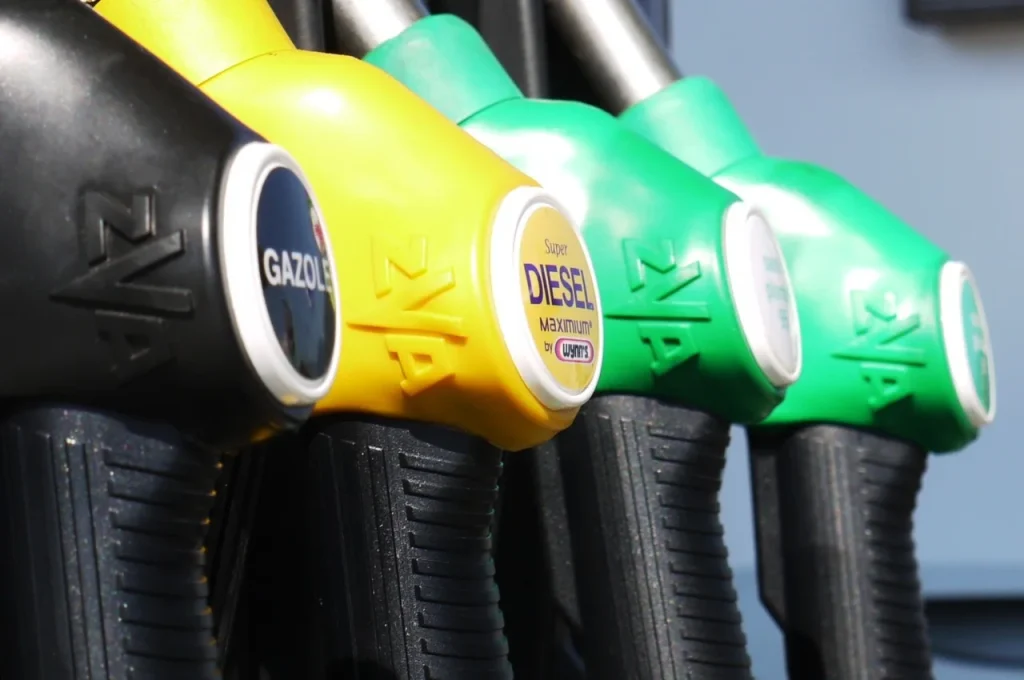
Just as expected, fuel prices are climbing again at the start of this new year. It’s a familiar tune every January: government measures that don’t always serve our best interests.
Key Takeaways
- Fuel costs have risen since 2026 began
- The environmental energy savings certificate scheme is driving up prices
- Tax increases and new regulations are contributing to higher fuel expenses
This January, we’re greeted with yet another round of financial measures that don’t benefit us. The ecological bonus tax has increased significantly, adding insult to injury for drivers already facing tough times.
One major factor behind the price hikes is a new scheme called Certificats d’Économie d’Énergie (CEE). This initiative aims to promote energy savings but comes with hefty costs that are passed on to consumers. The financial envelope tied to this program has jumped from €6 billion to €8 billion.
While the environmental goal is noble, it’s hitting us where it hurts most – in our wallets. Two-thirds of these expenses find their way onto utility and fuel bills, making everyday living more expensive than ever before.
Distributors are slowly but surely raising prices as they absorb these new costs. It’s a slow burn that adds up over time, squeezing the budgets of all car owners who rely on gasoline to get around.
Frequently Asked Questions
Why are fuel prices rising?
The rise in fuel costs is due to new environmental regulations and increased financial obligations for energy providers, which they’re passing on to consumers through higher prices.
What can drivers do about it?
Drivers might consider more efficient vehicles or alternative fuels like electric cars. However, switching isn’t always easy given the current economic climate and lack of widespread infrastructure.
The new year has brought with it a sobering reality for those who hit the road daily. As we adapt to these changes, let’s hope there are more sustainable solutions on the horizon that won’t leave us empty at the pump.
