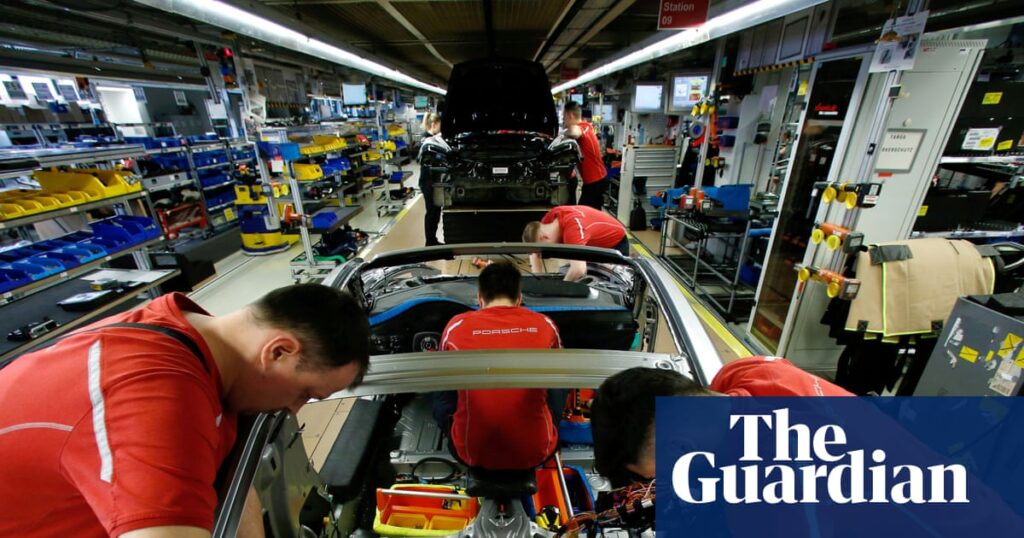
German Chancellor Friedrich Merz is set to write a letter to the European Commission president, Ursula von der Leyen, urging Brussels to soften the impending ban on combustion-engine cars in Europe. The proposed ban, scheduled for 2035, aims to support the EU’s carbon-neutral goals by 2050 but has faced significant opposition from Germany’s automotive industry.
Key Takeaways
- German Chancellor Friedrich Merz is lobbying for exemptions to the planned ban on petrol and diesel cars in Europe, set for 2035.
- The letter seeks permission to continue producing hybrid vehicles beyond the deadline.
- This move highlights the ongoing tension between environmental policies and automotive industry interests.
Merz’s stance reflects a deep-seated concern within Germany’s car manufacturing sector over the abrupt transition away from combustion engines. The chancellor argues that allowing continued production of plug-in hybrids, battery hybrids, and range-extended electric vehicles with efficient internal combustion engines would be more pragmatic and technologically feasible.
The proposed exemptions are not without precedent. In automotive history, transitions such as those from steam to petrol or diesel to hybrid have been gradual, often necessitated by technological advancements rather than legislative fiat. Merz’s proposal seeks a middle ground that acknowledges the current limitations of battery technology while promoting innovation in hybrid systems.
Environmental advocates and policymakers argue that maintaining flexibility for combustion engines beyond 2035 could undermine the EU’s climate goals. They contend that focusing solely on electric vehicles (EVs) is crucial to achieving rapid decarbonization, especially given Europe’s ambitious targets. The debate underscores a broader challenge: balancing environmental imperatives with economic realities and technological capabilities.
Frequently Asked Questions
What is the EU’s 2035 ban on petrol and diesel cars?
The European Union plans to prohibit the sale of new vehicles with internal combustion engines by 2035, aiming to reduce carbon emissions significantly.
Why does Germany want exemptions?
Germany seeks exemptions to allow continued production of hybrid cars beyond 2035 due to concerns about the economic impact on its automotive industry and technological readiness for full electrification.
The push for exemptions highlights a complex interplay between environmental policy, industrial economics, and technological innovation. As Europe moves towards greener transportation solutions, finding a balance that supports both climate goals and industrial interests remains crucial.
