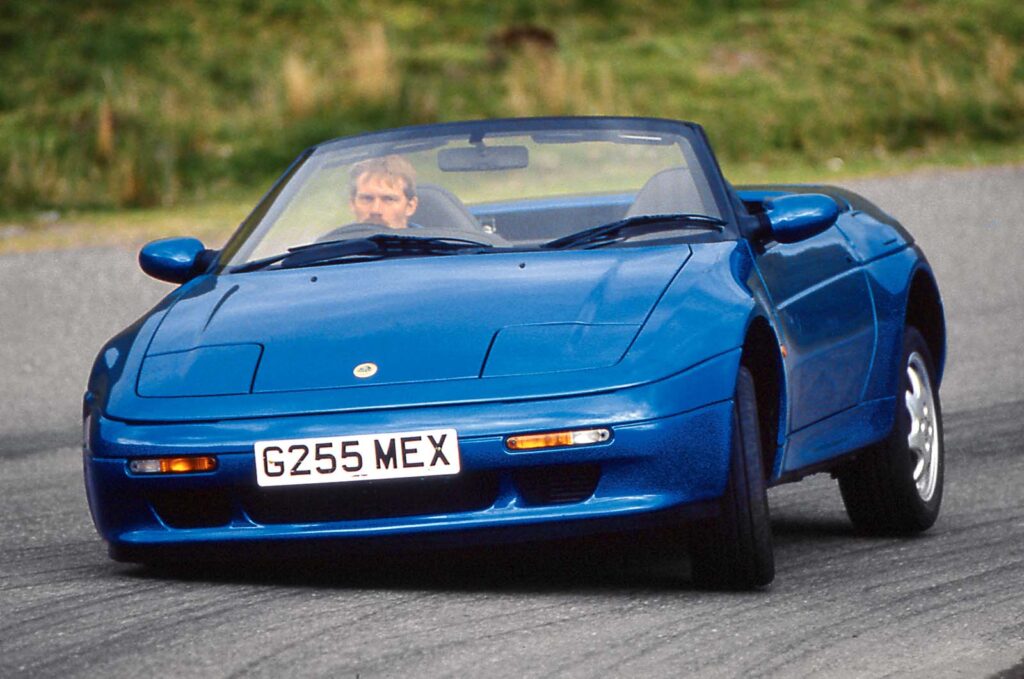
General Motors has officially relinquished its ownership stake in sports car maker Lotus, ending a partnership that began over two decades ago but ultimately proved unsuccessful. The move marks the end of an era for both companies.
Key Takeaways
- GM sells off its remaining 25% stake in Lotus Engineering to Malaysian company Proton Holdings.
- The deal includes a technology transfer agreement allowing GM and Proton to collaborate on future projects.
- This marks the end of GM’s involvement with Lotus, which began when it acquired shares from Italian automaker Fiat in 1996.
General Motors initially bought into Lotus Engineering as part of its strategy to expand globally. However, despite early optimism and shared projects such as the Omega sports car concept, relations soured over time due to differing business philosophies.
The partnership between GM and Lotus faced challenges from the start, with both companies struggling to find common ground on product development and market strategies. Over the years, these differences became more pronounced, leading to a gradual decline in collaboration.
Lotus Engineering’s reputation for lightweight sports cars stood in stark contrast to GM’s broader lineup of mass-market vehicles. This mismatch made it difficult for both companies to align their goals effectively. As Lotus focused on its core strengths while GM expanded into other areas like electric and autonomous technology, the partnership became increasingly strained.
GM’s decision to relinquish ownership comes as part of a larger restructuring effort aimed at focusing resources on more aligned business opportunities. The company has been divesting assets that don’t fit with its strategic vision for the future automotive landscape.
Frequently Asked Questions
When did GM acquire Lotus Engineering?
In 1996, General Motors acquired a stake in Lotus Engineering from Italian automaker Fiat as part of its global expansion strategy.
What does the sale mean for future collaboration between Proton and GM?
The deal includes provisions that allow both companies to continue working together on specific projects through a technology transfer agreement, ensuring ongoing cooperation in certain areas despite ending direct ownership ties.
This move by GM highlights the complexities involved when large automakers attempt global partnerships with smaller, niche brands. While initially promising, such relationships often face significant hurdles due to differing corporate cultures and strategic priorities.
