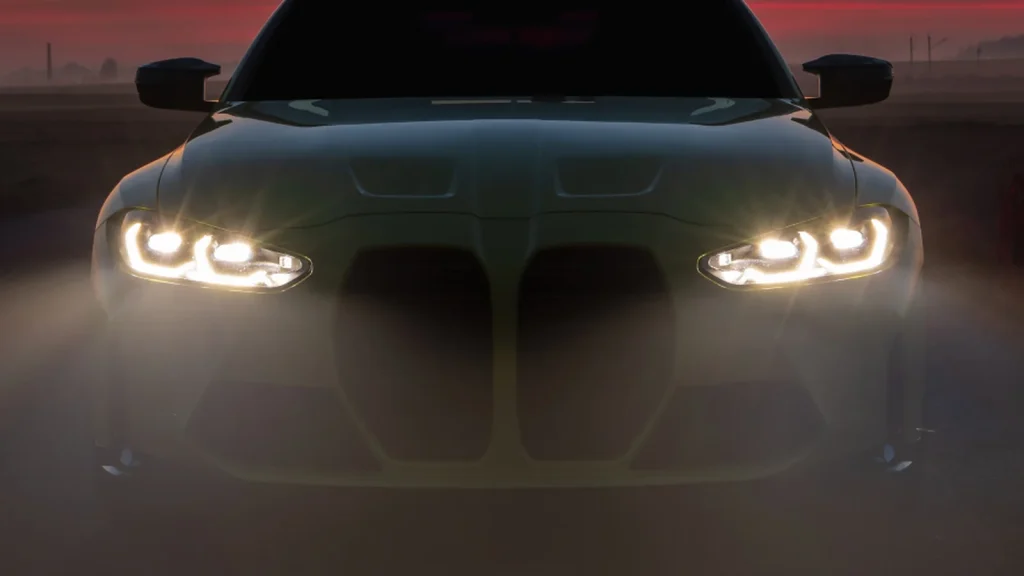
Car enthusiasts often dream of customizing their vehicles to stand out, but when it comes to headlights, there’s no room for creativity. In America, having two different color headlights is strictly prohibited by law.
Key Takeaways
- The National Highway Traffic Safety Administration requires all car headlights in the U.S. be white and within specific shade boundaries.
- Federal Motor Vehicle Safety Standards mandate that front turn signals must use amber bulbs, while rear indicators can either be red or amber but brake lights have to be red.
- State regulations vary regarding auxiliary lighting like fog lamps, with no federal rules dictating their color requirements.
The National Highway Traffic Safety Administration (NHTSA) sets the standard for vehicle safety in America. Under Federal Motor Vehicle Safety Standards (FMVSS), all car headlights must emit a specific shade of white light to ensure visibility and compliance with road regulations.
Back when cars were simpler, manufacturers had more freedom over lighting choices. For instance, French vehicles once featured yellow headlamps as standard equipment. However, such practices are now illegal in the U.S., where only certain colors meet regulatory approval.
Fog lights aren’t required by federal law but can add to a vehicle’s safety during adverse weather conditions. State laws often provide more leeway on fog light color options; for example, Washington allows amber or white hues.
Modern cars come with advanced lighting systems like adaptive front-lighting that automatically adjust based on driving conditions and steering inputs. These features must work correctly without interfering with other lights to maintain safety standards.
Frequently Asked Questions
Can I use yellow bulbs for my car’s headlights?
No, you can’t legally install yellow headlight bulbs in your vehicle as it violates FMVSS 108 regulations. Only white lights meeting specific shade requirements are permitted.
Are there any exceptions to the rule about matching colors for headlights?
The rules don’t change based on personal preference or aesthetic choices. There’s no exception allowing different colored headlamps unless it adheres strictly to federal and state regulations concerning auxiliary lighting.
In conclusion, while customization is part of car culture, altering your vehicle’s headlights isn’t one of the options if you want to stay legal on American roads.
