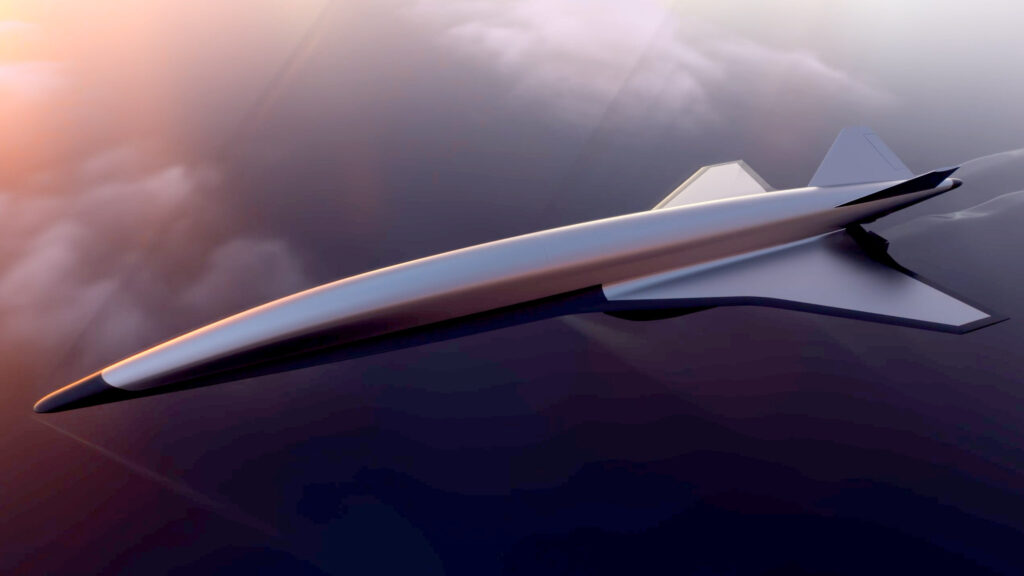
Imagine a future where you can travel from New York to London in just an hour. That’s the dream of Astro Mechanica, a California-based startup teaming up with UK’s Helix to bring supersonic passenger air travel back into our lives. With their Duality propulsion system and powerful electric motors, they aim to make Mach 3 flights as common as today’s commercial jets.
Key Takeaways
- Helix’s high-performance electric motors are now powering the next generation of supersonic aircraft.
- Astro Mechanica’s Duality system uses both gas turbine and electric drive to adapt its performance at different speeds.
- The ambitious goal is for commercial flights within a decade, with first test flights planned in three years.
Helix motors have already proven themselves in the world of high-performance electric vehicles. They power the McMurtry Spéirling and Lotus Evija, two cars that can accelerate from 0 to 62 mph (100 km/h) faster than many supercars. Now, these same motors are being adapted for use in Astro Mechanica’s Duality propulsion system.
The Duality system is designed to be flexible, switching between a turbofan at takeoff and lower supersonic speeds, a turbojet when things get serious, and something akin to a ramjet at extreme altitudes. This adaptability addresses the main issue that led to the downfall of Concorde: engines were great for high speed but inefficient otherwise.
For their fifth-generation Duality prototype, Astro Mechanica is developing custom radial flux motors from Helix. These new motors will produce up to 1,274 hp (950 kW) at peak power and can run continuously at a more modest but still impressive 402 hp (300 kW). The goal is to achieve the first flight in three years with commercial operations within a decade.
Frequently Asked Questions
How does Astro Mechanica’s Duality system work?
The Duality system uses both gas turbine and electric drive to adapt its performance depending on the speed of the aircraft. It behaves like a turbofan at takeoff, switches to a turbojet for lower supersonic speeds, and transforms into something similar to a ramjet when reaching extreme altitudes.
When can we expect commercial flights using this technology?
Astro Mechanica aims for the first flight in three years. If all goes well, they plan to have commercial operations within a decade, possibly by 2035.
The dream of supersonic travel is not just about speed; it’s also about making long-distance flights feel like short hops. With Helix and Astro Mechanica working together, we might soon see this vision become reality, bringing back the excitement of Concorde-era air travel but with modern efficiency.
