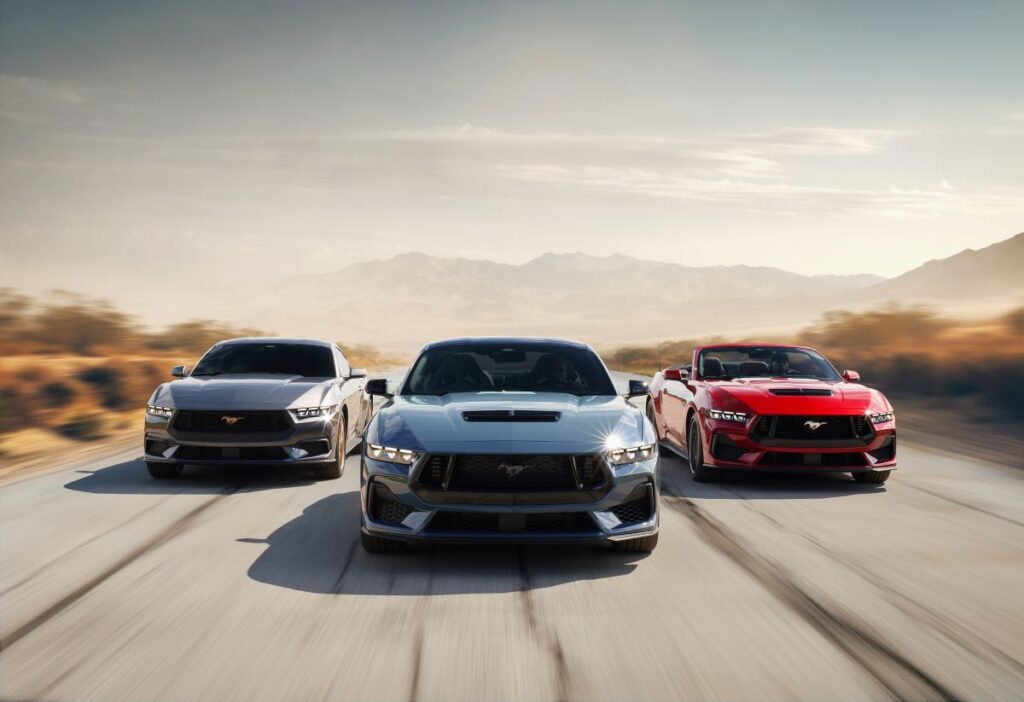
The color of a vehicle can significantly impact its resale value, influenced by buyer psychology, market demand, and maintenance costs. Dark colors like black, white, gray, and silver are often the most popular because they appeal to a broad audience and maintain their sleek appearance over time.
Second-hand buyers tend to be more conservative in their choices, leaning towards neutral shades that blend well with various environments and don’t draw too much attention. This preference keeps these colors at the top of the resale value list.
Colors like yellow, lime green, or purple may look eye-catching on a car show floor but they can be harder to sell when it’s time for an owner to part ways with their vehicle. These bold hues tend to attract smaller buyer pools and often see steeper price drops over the years compared to more subdued shades.
When it comes to resale value, how well a color hides wear and tear plays a crucial role. A white car might show dirt and yellowing easily, while a metallic silver can hide imperfections better. These factors influence not only initial buyer attraction but also long-term satisfaction.
The cost of maintenance is another key factor. Some unique or less common colors like pearlescent finishes are more expensive to repair. This additional expense can deter potential buyers and lower the car’s final selling price. Additionally, certain premium brands have specific color formulations that may incur higher repainting costs.
Lastly, trends in automotive fashion come and go just like any other form of style. While metallic greys were once a hit, more recent trends might favor pearl whites or even fluorescent shades. Once these colors fall out of popularity, their resale value tends to drop accordingly.
