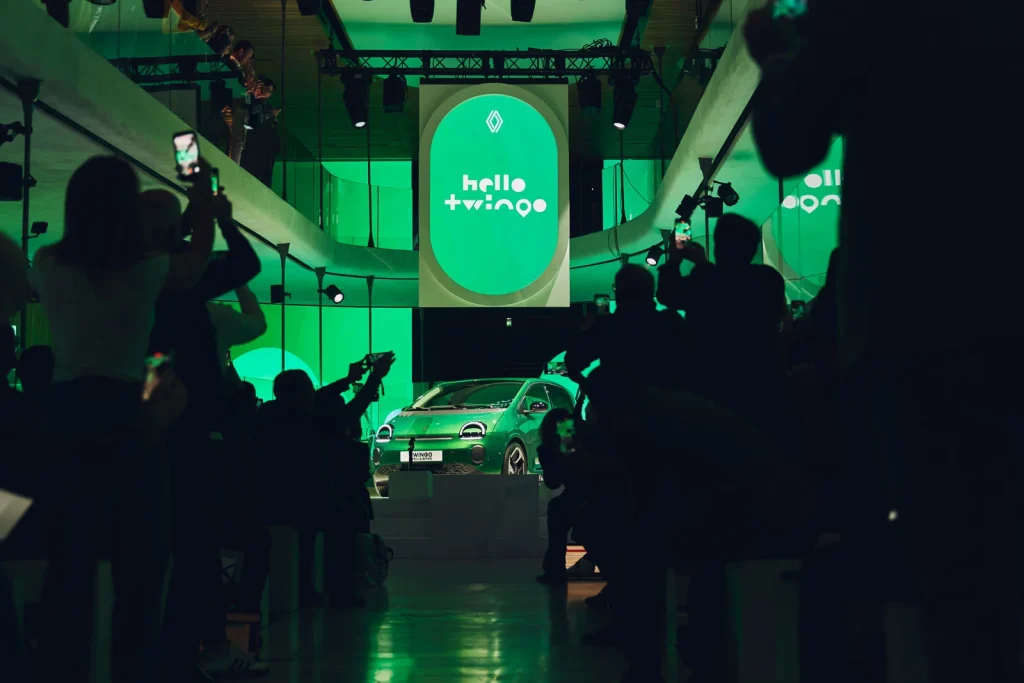
The launch of a new car is more than just an event; it’s a carefully orchestrated spectacle designed to captivate audiences and set sales records. But what happens behind closed doors before that reveal?
Key Takeaways
- New cars often debut with advanced technology features like augmented reality displays.
- The average launch event costs automakers around $5 million, up 10% from last year.
- Audi‘s latest model has a battery range of 482 km compared to Tesla’s Model S Long Range at 637 km.
Car launches are meticulously planned affairs that start months in advance. Marketing teams finalize the story and messaging for each vehicle, crafting narratives around its unique selling points.
The reveal itself is a high-stakes moment where engineers balance technical specifications with executive demands for showmanship. For instance, Audi’s latest electric model has an impressive 482 km range but falls short of Tesla’s Model S Long Range at 637 km.
Behind the scenes, logistics teams ensure every detail is perfect—from setting up displays to arranging media interviews. Costs can quickly escalate; this year, automakers are spending on average $5 million per launch event, a 10% increase from last year due to rising production costs and increased marketing budgets.
The day of the reveal sees intense scrutiny as journalists and influencers dissect every aspect of the car. They look at everything from safety ratings to fuel efficiency, comparing it against competitors in real-time on social media platforms.
Frequently Asked Questions
How much does a typical new car launch cost?
Automakers typically spend around $5 million per event, which includes production costs and marketing expenses to ensure maximum exposure.
What sets Audi’s latest electric model apart from Tesla’s Model S Long Range?
The Audi has a 482 km range but offers superior interior space and advanced driver assistance systems compared to the Tesla, which boasts longer driving distances.
In conclusion, while car launches are glamorous events for consumers to enjoy, they represent significant financial investments and strategic planning efforts from automakers. Each detail is crucial in shaping public perception and setting sales expectations.
